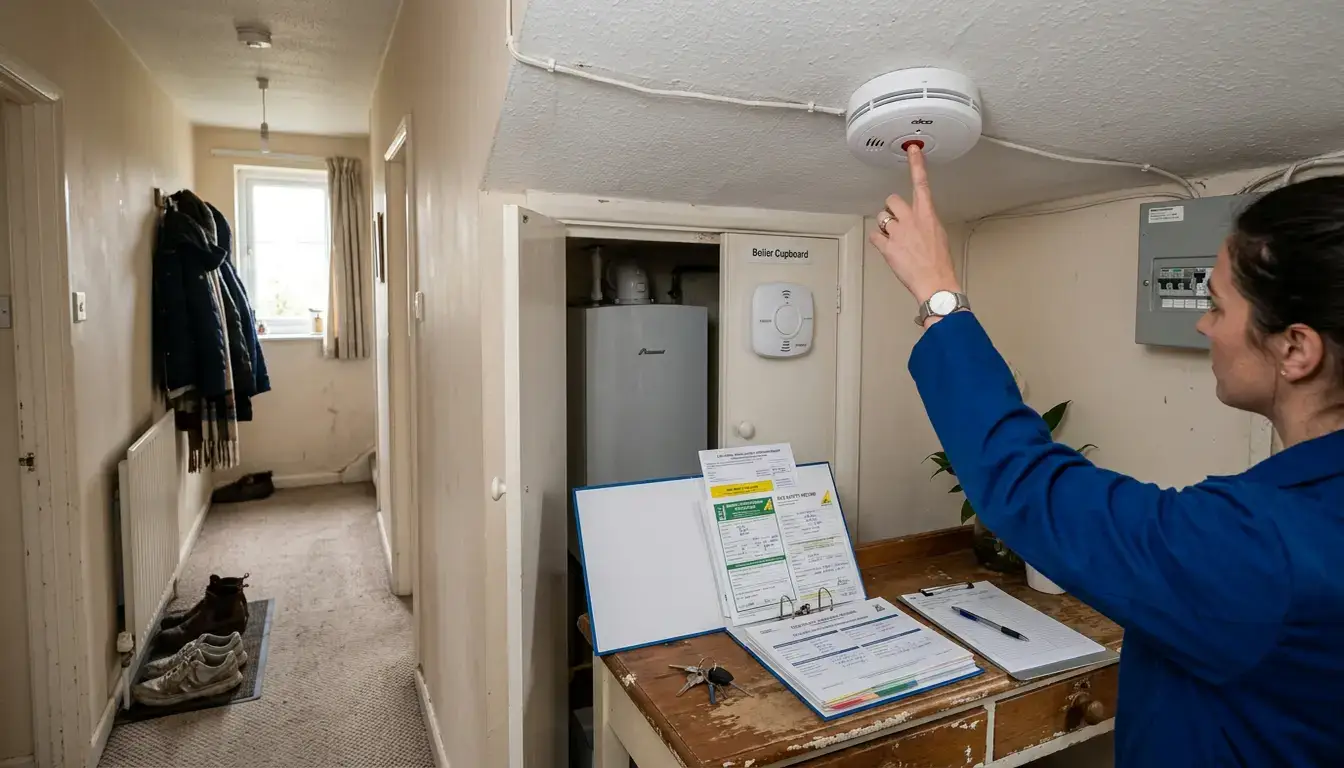
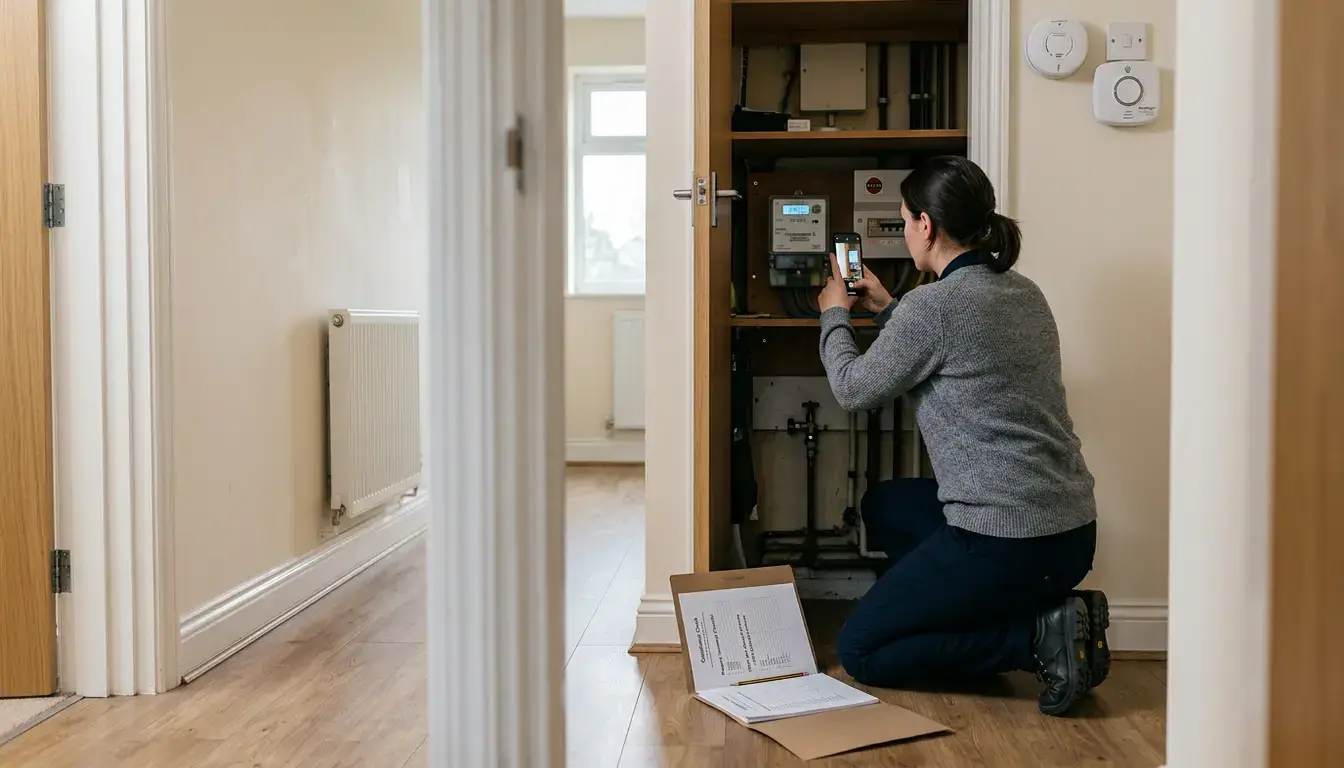
A tenancy agreement is a contract between a landlord and a tenant. It explains who is renting the property, how much rent must be paid, what each side must do, and how the tenancy can be managed or ended. A good agreement should be clear enough for both sides to understand without needing legal training or a very strong cup of tea.
Quick answer: a tenancy agreement should clearly cover the rent, deposit, repairs, bills, access, ending the tenancy and any rules about how the property can be used. If you are about to sign one, check those points first. Are you sure the bills clause says what you think it says?
For landlords, the agreement helps prevent confusion around rent, repairs, access, deposits, bills, pets and notice. For tenants, it explains what they are agreeing to and gives useful evidence if something later goes wrong. If the wording is vague, old or unfair, small misunderstandings can quickly become costly disputes.
Pennine Investments works with landlords, investors and property owners across the UK property market, with strong practical experience in the North West. That means understanding not only what makes a tenancy agreement legally sound, but also what makes it work in real rented homes.
What Is A Tenancy Agreement?
A tenancy agreement is the written or verbal arrangement that gives a tenant the right to live in a property in return for rent. It usually records the main terms of the rental contract, including the property address, rent amount, deposit, start date, repair duties and rules about using the home.
Although a tenancy can exist without a written document, a written tenancy agreement is far safer for everyone. It provides a clear record of what was agreed, which is useful if there is a disagreement about rent, damage, notice or responsibilities. It may also include extra documents such as an inventory, a guarantor agreement, house rules or written permissions for pets and changes to the property.
The key point is simple: a tenancy agreement cannot remove legal rights. If a clause says the tenant must do something that the law says is the landlord's responsibility, that clause may not be enforceable. The agreement should support landlord and tenant rights, not try to get around them.
Important Tenancy Agreement Update For England
An assured shorthold tenancy, often called an AST, has been the main type of private tenancy in England for many years. Older tenancy templates and online articles often refer to ASTs, fixed terms and Section 21 notices. This can be confusing because private rental rules in England have been going through change.
Landlords and tenants should check the latest start dates and rules before relying on old AST wording. Reforms may affect how private tenancies work, how landlords regain possession, and whether older template clauses are still suitable. Because timing and detail can matter, it is sensible to confirm the current legal position for the exact tenancy involved.
This matters because an old AST template may include wording that is out of date or no longer suitable. For example, a rent review clause, a break clause or wording about a no fault possession route may not reflect the correct legal process once reforms apply. Landlords who still have older paperwork should review it carefully, especially if they have relied on previous Section 21 Notice Changes when managing tenancies in the past.
Is A Written Tenancy Agreement Legally Required?
A tenancy can be created even if nothing is signed. If a tenant has moved in, pays rent and has the right to live in the property or a room, there may still be a legal tenancy. However, relying on a verbal agreement is rarely sensible because it leaves too much room for different memories and awkward conversations.
In England, landlords must provide certain written information about the tenancy in relevant situations. GOV.UK explains the written information landlords need to give tenants, including key details about the parties, rent and terms, through its official tenancy guidance. Separate documents may also be required, such as deposit information, safety certificates and energy performance information.
It helps to separate three things. First, there are core written tenancy terms that belong in the agreement. Second, there are supporting documents and required information that may need to be supplied separately. Third, there are legal rights and duties that apply even if the contract forgets to mention them.
What Must A Tenancy Agreement Include?
A strong tenancy agreement should be specific, plain and complete. It should not rely on vague phrases such as the tenant pays all bills or the landlord can inspect when needed. Those phrases often sound simple at first, then cause trouble later because nobody knows exactly what they mean.
Use this quick checklist before you get into the detail:
- Full names of the landlord and every tenant
- The property address and any included areas
- Rent amount, payment date and payment method
- Deposit amount and deposit protection details
- Who pays council tax, utilities and other bills
- Repair, maintenance and safety responsibilities
- Access rules for inspections, repairs and emergencies
- Rules on pets, smoking, guests and alterations
- How the tenant can give notice
- The legal process the landlord must follow to regain possession
The main terms should cover the people involved, the property, the rent, the deposit, bills, repairs, access, rules about use of the home and how the tenancy can end. For landlords with several properties, consistent paperwork is especially important because one unclear clause can create the same problem across a wider portfolio. Professional support with landlord property management can help owners keep documents, inspections and tenant communication organised.
Landlord And Tenant Details In A Tenancy Agreement
The agreement should give the full legal names of every landlord and every tenant. If there is more than one tenant, it should say whether they are joint tenants. This matters because joint tenants may be responsible together for the whole rent, not just their own share.
The document should also include the landlord's address for service of notices. If a letting agent manages the property, the agent's details should be included too, but that does not remove the need to identify the landlord clearly.
Property Address And Included Areas
The full property address should be written correctly, including any flat number, room number or building name. The agreement should also say what is included with the tenancy, such as a parking space, garage, garden, shed, storage area or shared hallway.
For shared accommodation, this is even more important. The agreement should explain which room is private, which facilities are shared and whether the tenant has access to communal gardens, kitchens or living areas. If the property is furnished, an inventory should record the furniture and its condition at the start.
Rent And Payment Terms
The rent clause should say the rent amount, how often it is payable, the due date and the payment method. It should also say who receives the payment and what happens if rent is late. If bank details are given separately, the agreement should explain how payment instructions will be confirmed safely.
Rent increase wording needs particular care during periods of tenancy reform. Landlords should not assume that an old rent review clause is enough. Any increase must follow the correct current process, and tenants should be able to understand how and when rent may change.
Deposit And Deposit Protection
The agreement should state the deposit amount, when it is paid, what it is held for and how it may be used. It should explain that deductions may only be made for proper reasons, such as unpaid rent, damage beyond fair wear and tear, or missing items recorded on the inventory.
Deposit protection is a separate legal process. Where the rules apply, the deposit must be protected in an approved scheme and the tenant must receive the required information within the correct timescale. The agreement should not promise automatic deductions for cleaning, repainting or replacement without evidence of actual loss.
Bills Council Tax And Other Charges
Bills should be listed clearly. The agreement should say who pays council tax, gas, electricity, water, sewerage, broadband, television licence, service charges and any shared heating or cleaning costs. If bills are included, the document should say exactly which bills are included and whether any usage limits apply.
Vague bills clauses are a common source of tension, especially in shared homes. Have you checked who is responsible for council tax? If four people think broadband is included but the landlord only meant water and electricity, the dispute is almost guaranteed. Clear wording at the start saves a lot of emails later.
Repairs Maintenance And Safety
The agreement should explain how tenants report repairs, who to contact in an emergency and what the tenant must do to look after the property. Tenants are usually expected to use the home in a reasonable way, report problems quickly and avoid damage caused by misuse or neglect.
Landlords remain responsible for key legal duties, including many repair and safety obligations. A clause cannot simply pass structural repairs, gas safety, electrical safety or serious disrepair duties to the tenant. Good wording separates landlord responsibilities, tenant damage and everyday housekeeping.
Access Inspections And Privacy
The agreement should say when the landlord or agent may access the property, how much notice will normally be given and what happens in an emergency. Routine inspections, repairs and viewings should respect the tenant's right to live in the property peacefully.
A clause that allows entry at any time without notice is likely to cause problems. Better wording refers to reasonable notice, sensible hours and emergency access where there is an immediate risk, such as a leak, fire or safety concern.
Pets Smoking Guests And Alterations
The agreement should explain the rules for pets, smoking, vaping, decorating, fixtures and alterations. It should say when written consent is needed and how requests should be made. Pet clauses should be checked against the current legal rules and should not rely on outdated blanket wording.
Guest and subletting clauses should also be precise. A friend staying for a weekend is not the same as taking in a lodger, assigning the tenancy or listing the property for short stay guests. Each situation should be treated separately so nobody has to guess the rules.
Ending The Tenancy Agreement
The agreement should explain how the tenant can end the tenancy, what notice is needed and how that notice should be served. It should also explain that a landlord must follow the correct legal process if they want possession of the property.
Old wording about fixed terms, break clauses and no fault notices may no longer be suitable for every private tenancy in England. Before relying on any ending clause, both landlord and tenant should check that it reflects current law and the exact tenancy type.
Tenancy Agreement Clauses That Commonly Cause Disputes
The clauses most likely to cause disputes are usually not the complicated ones. They are the vague ones. A sentence can look harmless until it is tested by a late payment, a broken appliance, a pet request or a deposit deduction.
- Vague rent clauses: The agreement should state the amount, due date, payment frequency and lawful rent increase process.
- Blanket deposit deductions: Cleaning or replacement costs should be based on evidence, condition and fair wear and tear.
- Unclear bills wording: Every included and excluded bill should be listed, especially in shared homes.
- Overbroad repair duties: Tenants can be responsible for damage they cause, but not for every legal repair duty.
- Unrestricted access clauses: Routine access should usually involve reasonable notice and respect for privacy.
- Guest and subletting confusion: Occasional guests, lodgers, subletting and assignment should not be mixed together.
Fairness matters too. A tenancy agreement should be written in plain language and should not contain hidden charges, one sided powers to change terms, or clauses that try to remove legal rights. If a term looks unusually harsh, unclear or surprising, it is worth asking for it to be explained before signing.
Documents That Should Sit Alongside The Tenancy Agreement
A tenancy agreement is not the only paperwork that matters. Landlords and tenants should also keep copies of the inventory, schedule of condition, deposit protection information, safety records, energy performance certificate and any written permissions for pets, alterations or subletting.
The inventory deserves special attention. It should record the condition of walls, floors, appliances, furniture, gardens and fittings at the start of the tenancy. Dated photographs are useful, especially where there are marks, stains or wear already present. Without good evidence, deposit disputes can become a contest of memory.
Tenants should report repairs in writing and keep records of messages, rent payments and agreed changes. Landlords should keep copies of all documents supplied to the tenant. Calm paperwork beats frantic searching every time.
Manchester Tenancy Agreement Points For Renters And Landlords
National tenancy law applies in Manchester and across England, but local issues can still matter. Some properties may be affected by licensing rules, especially houses in multiple occupation or properties in areas with extra licensing schemes. Renters should also seek local housing advice if a property is unsafe, overcrowded or appears to be poorly managed.
Manchester has a busy rental market, with students, professionals, families and sharers all competing for homes. That makes clear tenancy paperwork even more important. In fast moving markets, people sometimes sign quickly and read slowly afterwards, which is the wrong way round.
Landlords in Manchester and Greater Manchester should keep agreements updated, use detailed inventories and respond to repair reports in writing. Tenants should check what they are signing, ask questions early and avoid relying on verbal promises about bills, furniture or future repairs. Local market knowledge also helps because the practical issues in a city centre flat can be very different from those in a shared house or family home.
How To Check A Tenancy Agreement Before Signing
Before signing, read the whole agreement and compare it with the property you have actually viewed. Check every name, address, date, rent figure and payment detail. Make sure the deposit amount is correct and that the agreement explains how it will be protected.
Look closely at bills, council tax, repairs, access, pets, guests, smoking and alterations. If you are a joint tenant, understand whether you could be responsible for the full rent if another tenant fails to pay. If anything is unclear, ask for the wording to be amended in writing before you sign.
After signing, keep a complete copy of the agreement and all supporting documents. Save emails and messages about repairs, permissions and payments. Good records are useful for both sides because they reduce guesswork and help resolve problems more fairly.
What To Do If A Tenancy Agreement Clause Causes A Dispute
Start by reading the exact wording, not what someone says it means. Then check whether the clause conflicts with legal rights or duties. Gather the tenancy agreement, inventory, photos, rent records and any messages or emails linked to the issue.
Raise the problem in writing and suggest a practical solution. For deposit disputes, the approved deposit scheme may offer a dispute resolution service. For serious disrepair, possession proceedings, safety issues or large financial claims, it is sensible to seek independent advice before taking the next step.
Frequently Asked Questions
Does A Tenancy Agreement Have To Be Written?
No. A tenancy can exist verbally, but a written agreement gives much clearer evidence and reduces the chance of disputes.
Are ASTs Still Used In England?
ASTs have been the common form of private tenancy in England for many years, but tenancy reform may change how they are used. Check the latest rules and start dates before relying on older wording.
Can A Landlord Change The Agreement After Signing?
A landlord usually cannot rewrite the contract alone unless there is a valid legal or contractual reason. Any agreed change should be recorded in writing.
Can A Tenancy Agreement Ban Pets?
Pet clauses should be checked against the current rules. Where tenants have rights to request a pet, landlords must deal with requests properly and fairly.
Who Pays Council Tax?
The agreement should state who is responsible, but the legal position can depend on the property and occupation type. If unsure, check with the local council.