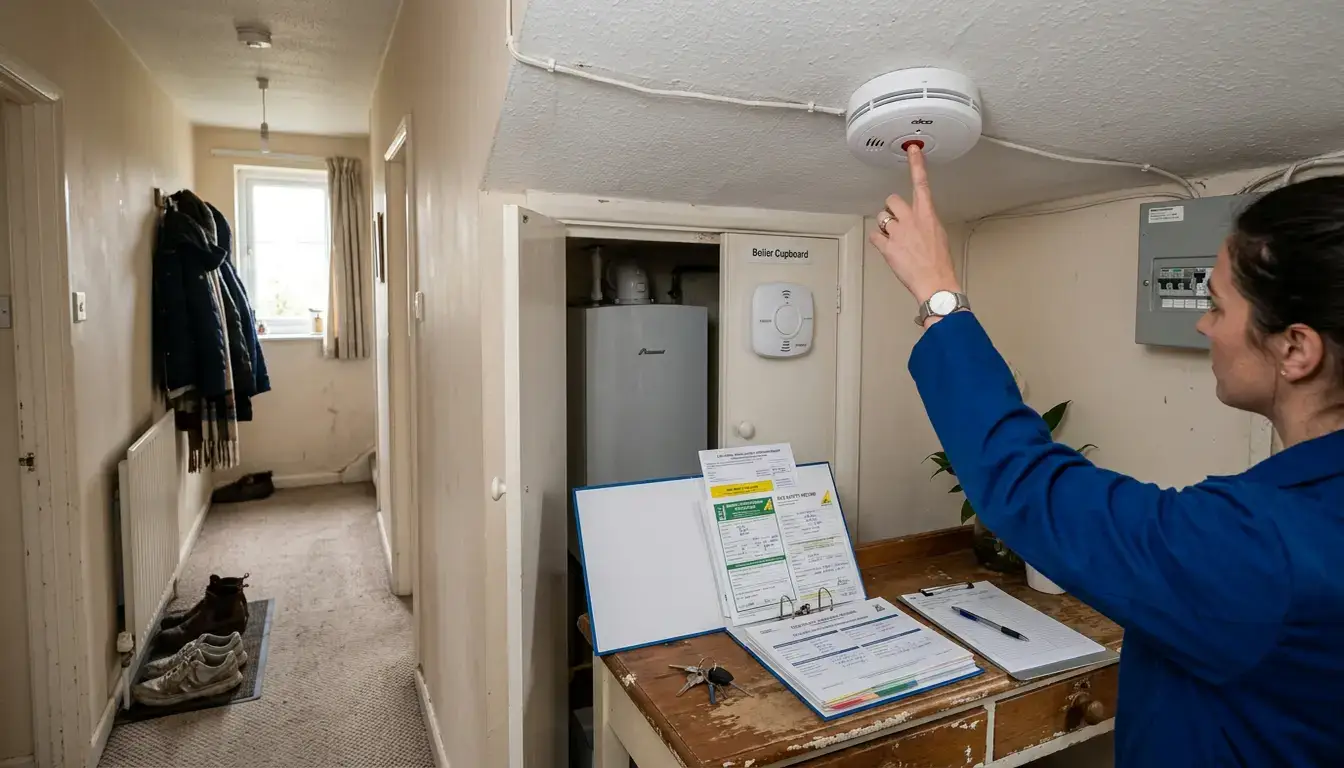
Becoming a landlord in England means making sure the property is safe, lawful and ready before the first tenant moves in. The main legal steps include checking permission to let, arranging suitable insurance, getting an Energy Performance Certificate, completing gas and electrical safety checks where needed, testing smoke and carbon monoxide alarms, carrying out Right to Rent checks, protecting the deposit, using clear tenancy terms and checking whether a local property licence is needed.
Rules can change, and councils may set extra licensing conditions, so it is sensible to check current government guidance, your local authority and qualified professionals before making decisions. Pennine Investments supports landlords and investors with practical property insight across the UK market, with a strong focus on the North West, helping people understand both opportunity and risk before they commit.
How To Become A Landlord Legally In England
To become a landlord legally in England, you need to treat the property as a regulated rental home, not simply as a spare asset that can earn income. Whether you are letting a former home, buying a rental property, or preparing for your first tenant, the core duties are similar. You must check that you are allowed to let the property, make it safe, prepare the right documents and set up clear systems for rent, repairs and records.
Landlords should also check the latest position on rental reform before relying on old tenancy wording or older assumptions about possession rules. The Renters Rights Act 2025 and related start dates should be checked carefully before you act, as legal dates, processes and guidance can change. A safer approach is to work through the process in order, starting with ownership and finance, then moving through licensing, certificates, insurance, tenant checks and move in records. The official GOV.UK landlord responsibilities page is a useful place to confirm current national duties, while local council checks are needed for licensing.
Legal Checklist Before Letting A Property
Before you advertise the property, it helps to use one clear checklist rather than rely on scattered notes, emails and memory. Many first time landlords feel unsure at this stage, but the process becomes much easier when each duty is checked in order and renewal dates are added to a calendar.
- Check your mortgage terms, lease terms and any freeholder consent requirements before letting.
- Confirm the right ownership, tax and rental income record arrangements.
- Check whether the property needs an HMO licence, selective licence or other local approval.
- Get a valid EPC before marketing the property where one is required.
- Arrange gas safety and electrical safety checks where applicable.
- Install and test smoke alarms and carbon monoxide alarms as required.
- Put proper landlord insurance in place before the tenant moves in.
- Use current written tenancy terms that reflect the latest rental rules.
- Complete Right to Rent checks for adult occupiers in England.
- Protect the deposit within the correct deadline and serve the required information.
- Prepare an inventory, take meter readings and keep a signed move in record.
- Set reminders for repairs, inspections, renewals, safety checks and licence dates.
Check Permission, Finance And Tax Before Advertising
The first legal step is to confirm that you are allowed to rent the property out. If you have a residential mortgage, your lender may require consent to let or a switch to a buy to let mortgage. Letting without permission can breach mortgage terms, and it may also affect insurance cover, so it is not worth taking the risk.
If the property is leasehold, read the lease carefully and check whether subletting is allowed. Some leases require freeholder consent, set occupancy rules or include restrictions around noise, nuisance and use of shared areas. Flats can have extra rules, especially where the building has shared entrances, fire safety systems or managing agents.
Tax also needs planning from day one. Rental income may be taxable, and landlords should keep records of rent, repairs, finance costs, insurance, agent fees and other allowable expenses. Joint owners, company landlords and inherited property owners may need tailored advice, because the right setup depends on personal circumstances. A qualified accountant can help you avoid guesswork, which is usually cheaper than fixing messy records later.
Check Local Licensing, Including Manchester Rules
Property licensing is easy to miss because the rules can vary by council and even by street. In England, some houses in multiple occupation need a mandatory HMO licence, and some councils run selective licensing schemes in chosen areas. You should check the exact address before advertising, not after you have found a tenant.
In Manchester, a mandatory HMO licence is generally relevant where five or more people from two or more households share facilities such as a kitchen or bathroom. The full position still depends on the property layout, occupation and current local rules. Manchester City Council also operates selective licensing in certain areas, so a standard family let in one location may have different requirements from a similar property nearby.
Greater Manchester needs extra care because each borough has its own local authority. A property in Salford, Trafford, Stockport, Oldham, Rochdale, Bury, Bolton, Wigan, Tameside or another borough will fall under that council's rules, not automatically Manchester City Council rules. In practice, two similar properties only a few miles apart can have different licensing duties, so local checks really do matter if you are investing across the region.
Get The Required Landlord Certificates
Landlord certificates show that key parts of the property have been checked and that the tenant has been given important information. An Energy Performance Certificate, often called an EPC, rates the property's energy efficiency and is usually needed before letting. You should check the current minimum standard and any exemption rules before assuming the property is compliant.
If the property has gas, a Gas Safety Record must be completed by a Gas Safe registered engineer. The check is normally required every year, and tenants must be given the relevant record before occupation and after later checks where required. It covers gas appliances, fittings and flues, so it should not be left until the night before keys are handed over.
An Electrical Installation Condition Report, commonly known as an EICR, checks the fixed electrical installation, such as wiring, sockets and consumer units. This is different from checking a kettle, fridge or washing machine, although supplied appliances should still be safe. If the report identifies remedial work, arrange it properly and keep evidence of completion.
Smoke alarms and carbon monoxide alarms are also part of the safety picture. The exact requirements depend on the property and appliances, but alarms must be correctly installed and tested at the start of the tenancy. Keep a written note or photograph from move in day, because a simple record can prevent arguments later.
Arrange The Right Landlord Insurance
Ordinary home insurance is usually not designed for a rented property, so do not assume your existing policy will continue to protect you. Landlord insurance can include buildings cover, landlord contents cover, property owner liability, legal expenses, emergency assistance and rent guarantee cover, depending on the policy. Each insurer sets its own terms, exclusions and conditions.
Before choosing cover, tell the insurer whether the property is furnished, vacant, an HMO, occupied by students, let to a family or used for another permitted tenancy type. You should also check requirements around locks, alarms, inspections, empty periods and valid certificates. If you want a deeper explanation of policy features, our article on landlord insurance cover explains the main areas to consider in plain English.
Prepare The Property For The First Tenant
A rental property should be safe, clean, secure and ready to live in before viewings begin. Walk through each room and look for damp, mould, poor ventilation, loose flooring, faulty locks, damaged sockets, broken lights, unsafe stairs, weak handrails and signs of leaks. If something would worry you as a tenant, fix it before it becomes a complaint.
Heating and hot water deserve special attention because problems here can quickly become urgent. Test boilers, radiators, showers, taps, extractor fans and windows, then keep evidence of servicing or repair work. If appliances are supplied, record the make, model, condition and instructions, and keep manuals where possible.
Decoration matters, but it should never be used to hide safety issues. A fresh coat of paint is helpful, but it will not solve a damp problem, a poor electrical report or an unsafe staircase. Take dated photographs once the property is ready, because they will support the inventory and help show the condition at the start of the tenancy.
Keep Tenancy Terms Current As The Law Changes
Landlords should not rely on old templates without checking them against the latest law. Rental reform under the Renters Rights Act 2025 may affect how assured tenancies work in England and how landlords regain possession, but the exact rules and dates should be confirmed through current guidance before you issue documents. If Section 21 or other possession routes are relevant to your plans, get up to date advice before making decisions.
Written tenancy terms should clearly explain the landlord, tenant, property address, rent, payment date, permitted payments, responsibilities for bills, repair reporting, access arrangements, contact details and any rules on pets, alterations or subletting. Clear wording helps both sides understand the arrangement, and it reduces the chance of disputes caused by vague promises made during a viewing.
If you are unsure whether your wording is current, take legal advice or use a properly updated source. A tenancy agreement is not just a formality to print and forget. It is the document that sets expectations for the whole tenancy.
Complete Tenant Checks Before Move In
In England, landlords must carry out Right to Rent checks on adult occupiers. This is a legal immigration status check, not a credit check, affordability test or character reference. Keep dated evidence of how the check was completed, because you may need to show that the correct process was followed.
Referencing is separate from Right to Rent, but it is still sensible risk management. Many landlords check identity, employment, income, previous landlord references and affordability before agreeing to let. If a guarantor is needed, the guarantor should also be checked properly and given clear documents before signing.
Screening must be consistent and fair. Do not make decisions based on protected characteristics, assumptions or informal impressions. A simple written application process helps you compare applicants fairly and keeps the decision making process tidy.
Protect The Deposit And Serve The Correct Information
If you take a tenancy deposit, it must usually be protected in a government approved tenancy deposit scheme within 30 days of receipt. Protecting the money is only half the job, because landlords must also give the tenant the required prescribed information within the correct deadline. Missing this step can cause serious problems later, especially if there is a dispute or possession issue.
The prescribed information normally includes the property address, deposit amount, scheme details, dispute process, landlord or agent contact details, reasons deductions may be proposed and instructions for getting the deposit back. Keep proof that the information was served, along with the protection certificate and tenant acknowledgement where possible.
An inventory is one of the strongest records a landlord can keep. It should include dated photographs, written descriptions, meter readings, keys, furniture, appliances and the condition of walls, floors, doors, windows and bathrooms. Without evidence, deposit deductions can become a matter of opinion, and opinions are not nearly as useful as clear records.
Build A Complete First Tenant Move In Pack
Your tenant should receive a clear pack before or at the start of the tenancy, depending on the document and legal timing. It may include current written tenancy terms, EPC, Gas Safety Record where applicable, electrical safety documentation, deposit prescribed information, licence details where relevant, emergency contacts, repair reporting instructions and the inventory.
On move in day, confirm the tenant has received the required documents, test alarms, record meter readings, hand over keys and note the date possession begins. Take photographs of the property condition and keep a signed or acknowledged inventory. It may feel a little formal, but your future self will be grateful if a dispute appears two years later.
Landlords who prefer not to manage everything themselves can consider professional support, especially when dealing with several properties, HMOs or properties outside their local area. Pennine Investments offers practical property services, including landlord property management, for owners who want a more structured approach to compliance, tenants and day to day property care.
Manage Ongoing Landlord Responsibilities
Compliance does not stop once the tenant moves in. Landlords must respond to repairs, keep the property safe, track certificates and maintain proper records. Create a compliance folder with certificates, invoices, photographs, tenant messages, inspection notes, licence documents, insurance details and deposit evidence.
Set calendar reminders for gas safety renewals, electrical inspection dates, EPC expiry, insurance renewal, licence renewal, boiler servicing and any conditions attached to local licensing. If the tenant reports a repair, record the date, action taken and contractor details. Good records help you manage the property professionally and reduce the risk of confusion.
Inspections should be reasonable, properly arranged and respectful of the tenant's right to occupy the property. Give appropriate notice and do not let yourself in casually because you own the building. Being a landlord gives you responsibilities, not a magic key to appear in the hallway unannounced.
Common First Landlord Mistakes To Avoid
Many problems begin when landlords advertise too early, before checking licensing, mortgage consent or safety certificates. Another common mistake is assuming that an EPC proves the whole property is compliant, when it only covers energy performance. Gas safety, electrical safety, alarms, licensing and deposit rules are separate requirements.
Deposit mistakes are also common. Some landlords protect the money but forget prescribed information, while others take payment and miss the 30 day deadline. Right to Rent checks are sometimes confused with referencing, and old tenancy templates are reused even though the law has changed.
Insurance can create hidden problems too. A standard home policy may not cover a rental property, and some landlord policies exclude certain occupiers, empty periods or property types. Finally, do not skip the inventory. It may not feel exciting, but it is one of the strongest pieces of evidence you will ever have.
When To Seek Professional Help
You should seek professional help when the property has complex ownership, a leasehold restriction, an HMO layout, licensing uncertainty, unusual finance, tax questions or a difficult possession issue. A solicitor, accountant, mortgage adviser, insurance adviser, Gas Safe engineer, qualified electrician or experienced property manager can each help with a different part of the picture.
Good advice is not about making the process more complicated. It is about spotting risks before they become expensive. For first time landlords, that can be the difference between a smooth tenancy and months of avoidable stress.
Frequently Asked Questions
What Certificates Do Landlords Need In England?
Most landlords will need an EPC, gas safety documentation where gas is present, electrical safety documentation and proof that required alarms are installed and tested. A property licence may also be needed depending on the property type and council area.
Do I Need A Licence To Become A Landlord In Manchester?
Not always, but you must check the exact address and property setup. HMOs and properties in selective licensing areas may need a licence before letting.
How Long Do Landlords Have To Protect A Deposit?
A tenancy deposit must usually be protected in a government approved scheme within 30 days of receiving it. The tenant must also receive the required prescribed information.
Can I Let My Home Without Telling My Mortgage Lender?
You should not let a mortgaged property without checking the lender terms. Many residential mortgages require consent to let or a suitable buy to let arrangement.
What Should I Do Before My First Tenant Moves In?
Complete safety checks, issue the required documents, protect the deposit if taken, complete Right to Rent checks, prepare an inventory and record meter readings. Keep everything in a clear compliance folder.