Landlord insurance can cover the rented building, landlord owned contents, property owner liability, loss of rent after insured damage, and optional protection such as legal expenses, accidental damage, rent guarantee and home emergency cover. In simple terms, it helps protect you from some of the bigger risks that can come with letting a property. The exact cover depends on the policy wording, which means the written rules of the policy, along with the limits, the excess and any exclusions. It is never wise to assume every policy works in the same way.
For landlords, the key point is that renting out a property changes the risk. A home occupied by tenants is not viewed in the same way as a home lived in by the owner. There may be different risks around repairs, empty periods, tenant damage, legal disputes and rental income. That is why ordinary home insurance often falls short once a property is let.
Pennine Investments works with landlords and property investors across the UK, with strong practical knowledge of the North West property market. That experience helps investors understand not only the opportunity in a rental property, but also the everyday risks that need to be managed with clear planning, suitable insurance and sensible property decisions.
What Landlord Insurance Cover Includes In The UK
Landlord insurance is designed to protect property owners from risks linked to renting out a home. It is not one fixed product, because insurers build policies in different ways. Some include a wide range of cover as standard, while others ask landlords to add extra sections for an extra cost.
The main areas of cover are usually buildings insurance, landlord contents insurance, property owner liability, loss of rental income and legal expenses. Property owner liability means protection if someone claims your property caused injury or damage. Some policies can also include accidental damage, malicious damage, home emergency cover, rent guarantee insurance and protection for unoccupied periods. This is where it can get confusing, so it is worth checking what is included as standard and what needs to be added.
Buildings Cover: This helps with damage to the structure of the property, such as walls, roof, floors, windows, fitted kitchens and bathrooms, when the damage is caused by an insured event.
Landlord Contents: This covers items supplied by the landlord, such as furniture, curtains, white goods and freestanding appliances, subject to the policy terms.
Property Owner Liability: This may help if a tenant, visitor or third party claims they suffered injury or property damage because of the rental property.
Loss Of Rent: This can help replace rental income if insured damage makes the property uninhabitable and rent cannot be collected during repairs.
Alternative Accommodation: Some policies may contribute towards temporary accommodation for tenants after serious insured damage.
Legal Expenses: This can help with eligible legal costs, such as certain tenancy disputes, possession proceedings or rent recovery action.
Rent Guarantee: This is a separate or optional protection that may cover unpaid rent if the tenant falls into arrears and the policy conditions are met.
Why Standard Home Insurance May Not Be Enough
Standard home insurance is usually written for an owner occupied property. That means the insurer expects the person who owns the home to live there, look after it day to day and notice problems quickly. When tenants live in the property instead, the risk changes, and the policy may no longer match the situation.
A rented property can involve different occupancy patterns, furnished rooms, shared spaces, legal duties and rental income risk. Have you told your insurer exactly how the property is being used? If the insurer has not been told that the property is let, a claim could be affected. Some home insurance policies exclude rental use altogether, while others may require a switch to landlord insurance or a specialist policy.
The safest approach is simple. Disclose the property use clearly and get written confirmation that the cover is suitable for a rented home. The Financial Ombudsman Service explains that insurance complaints often turn on policy wording, exclusions and what was agreed between the insurer and customer, which is why checking documents matters. You can read its general information on home and buildings insurance for neutral background on how policy terms are considered.
Landlord Insurance Buildings Cover Explained
Landlord buildings insurance is usually the foundation of a policy. It protects the physical structure of the rental property, including walls, roof, floors, ceilings, windows and permanent fixtures. Fitted kitchens, fitted bathrooms, pipes and fixed flooring may also fall within the buildings section, depending on the policy wording.
Typical insured events include fire, storm, flood, escape of water, theft related damage, vandalism and impact damage. An insured event simply means a type of damage the policy says it will cover. For example, if a storm damages roof tiles and water enters the property, buildings insurance may help pay for repairs if the cause is covered. If a burst pipe damages ceilings and walls, the buildings section may also be relevant.
Buildings insurance is not the same as maintenance cover. If a roof leaks because it has been neglected for years, an insurer may treat that as wear and tear rather than sudden insured damage. Routine repairs, servicing, gradual deterioration and poor workmanship are often excluded, so landlords still need a sensible maintenance plan. It can feel like a lot to keep on top of, but regular checks are much easier than dealing with a rejected claim later.
Landlord Insurance Buildings Sum Insured And Rebuild Cost
The buildings sum insured should usually be based on the rebuild cost, not the market value. Market value is what the property might sell for. Rebuild cost is the estimated cost of rebuilding the structure if it were badly damaged or destroyed. Insurance is usually concerned with the rebuild cost, not the sale price or mortgage balance.
The buildings sum insured is the amount the property is insured for, and it should be realistic. If it is too low, the landlord may be underinsured and could receive less than expected after a claim. It is worth checking whether the policy uses a set sum insured, a bedroom rated model or an index linked figure that increases over time. If the property is unusual, older, listed or converted, professional advice on rebuild cost can be especially useful.
Landlord Insurance Contents Cover Explained
Landlord contents insurance covers items owned by the landlord and provided for use in the rental property. This can include sofas, beds, tables, chairs, curtains, blinds, white goods, freestanding appliances and other supplied furniture. In a furnished or partly furnished property, this cover can be important because replacing several items after a fire, leak or theft can quickly become expensive.
It is important to separate landlord owned contents from tenant belongings. A tenant's laptop, clothes, jewellery, bicycle, phone or personal furniture will normally need the tenant's own contents insurance. The landlord's policy is there to protect the landlord's financial interest, not every item inside the home.
Definitions can vary. Carpets, fitted flooring and appliances may be treated differently from one policy to another. If a property is furnished for students, professionals, families or a house share, the value and type of contents should be declared accurately.
Landlord Insurance Loss Of Rent And Alternative Accommodation
Loss of rent cover is often misunderstood. It usually applies when the property suffers damage from an insured event and becomes uninhabitable. If a fire, flood or serious escape of water means the tenant cannot stay in the property, the landlord may lose rental income while repairs take place. Would your rent still be covered if the property could not be lived in after a flood? In that situation, loss of rent cover may help, subject to limits and time periods.
This is not the same as a tenant simply refusing to pay rent. If the property is perfectly habitable but the tenant falls into arrears, ordinary loss of rent cover may not apply. That is where rent guarantee insurance may be relevant, provided it has been bought and all conditions have been met.
Some policies provide alternative accommodation instead of, or alongside, loss of rent. This may help pay for temporary housing for tenants after insured damage. The policy will set out who is covered, how much can be claimed and for how long. Landlords should check this carefully, especially if they own family homes, shared houses or properties where tenants would need quick rehousing after major damage.
Landlord Insurance Legal Expenses And Property Owner Liability
Legal expenses cover can help with certain legal costs linked to the tenancy or property. It may include support for possession proceedings, rent recovery, contract disputes or other qualifying legal issues. The cover is not unlimited, and insurers usually need to approve the claim before costs are incurred. There may also be a requirement that the dispute has a reasonable chance of success.
Property owner liability is different. It can help if someone says they were injured or suffered property damage because of the landlord's property. For example, a visitor might claim they were hurt because of a defective step, or a tenant might claim damage caused by an unsafe fixture. Liability cover may help with defence costs and compensation if the claim is valid.
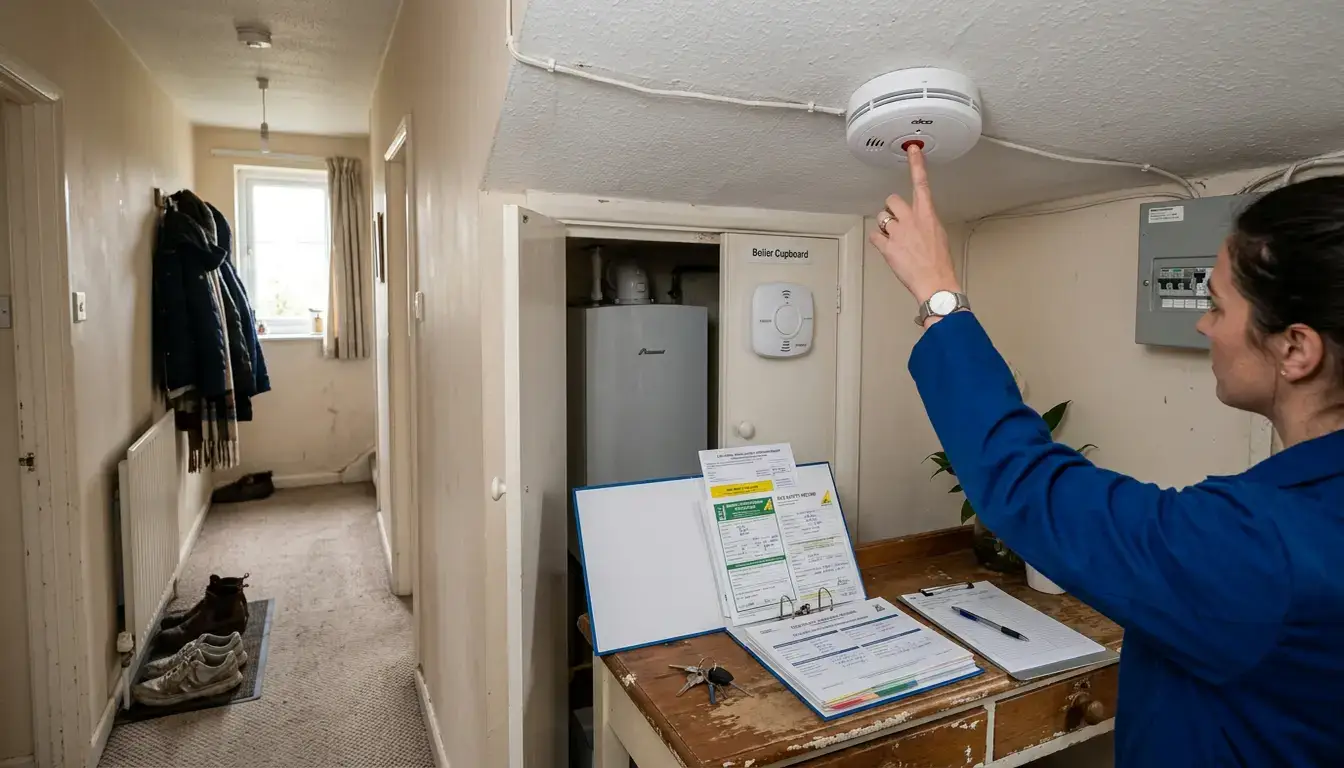
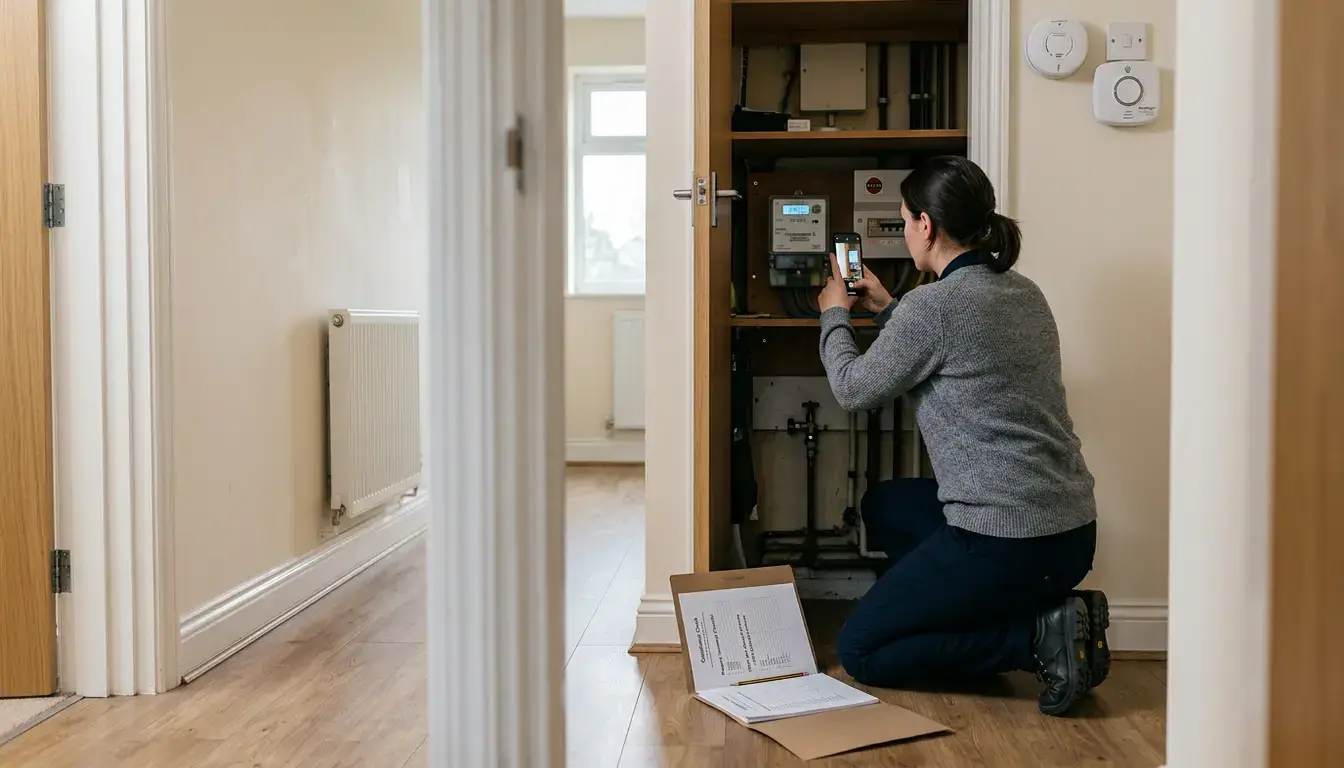
Insurance does not remove a landlord's legal duties. Landlords must still maintain the property, keep key installations safe, deal with hazards and meet safety duties around gas, electrics, smoke alarms and carbon monoxide alarms. A policy can provide financial protection, but it is not a substitute for proper management.
Landlord Insurance For Accidental Damage And Tenant Damage
Accidental damage usually means sudden and unintended damage. A tenant might spill paint on a carpet or crack a fitted hob by mistake. Malicious damage is deliberate damage, such as intentional damage to doors, walls or fixtures. Tenant damage can fall into either category, but cover depends on the policy.
Some landlord policies include accidental damage as standard, while others offer it as an optional extra. Malicious damage by tenants is often treated carefully by insurers and may need to be selected separately. There may also be limits, higher excesses or evidence requirements, such as inspection records, an inventory and dated photographs.
Wear and tear is different again. Worn carpets, tired paintwork, ageing appliances and general deterioration from normal use are not usually insured. That is part of the normal cost of owning a rental property, even if it arrives at the worst possible time, as these things often do.
Landlord Insurance For Unoccupied Property And Empty Periods
Empty periods can create extra risk. If a property is vacant between tenancies, problems such as leaks, break ins or storm damage may go unnoticed for longer. Because of this, many policies restrict cover after a set number of unoccupied days. Some require regular inspections, drained water systems, heating during cold weather or extra security measures.
If a property will be empty for refurbishment, sale, probate, tenant changeover or a longer void period, you should tell the insurer. A normal landlord policy may not be enough for a long vacant period. Unoccupied property cover may be needed, especially if building work is taking place or the property has no active tenancy.
Landlord Insurance Considerations For Manchester And The North West
Landlords in Manchester and the wider North West often deal with a mix of older terraces, converted buildings, flats, shared homes and modern apartments. Each type can bring different insurance questions. A converted property may involve shared access or communal areas. A house in multiple occupation may need specialist cover. A flat may involve a freeholder, managing agent or lease requirement that affects buildings insurance responsibilities.
Some privately rented properties also need a licence, depending on the local rules and property type. Insurance does not replace licensing duties, and licensing does not automatically mean the insurance is suitable. Landlords should declare whether the property is a house in multiple occupation, a flat, a conversion, a student let, a professional share or a family rental.
In practice, different property types often need different insurance checks. A modern apartment may raise questions about the lease and building management, while an older terrace may need closer attention to condition, repairs and water damage risks. For landlords who want practical help with the operational side of rental property, Pennine Investments offers landlord property management support that can sit alongside wider investment planning. Good management, proper records and suitable insurance all work together to reduce avoidable risk.
How To Compare Landlord Insurance Policies
When comparing landlord insurance, avoid looking only at the cheapest premium. A lower price may come with tighter exclusions, higher excesses or missing cover. The best policy for one landlord may not suit another, because the right choice depends on the building, tenants, rental strategy, mortgage conditions and appetite for risk.
Check whether the property use is correctly declared, including tenant type and occupancy. Review the buildings sum insured, contents limit, property owner liability limit, loss of rent period, legal expenses wording and excesses. Look closely at rules for empty periods, inspections, alarms, locks, water leaks, malicious damage and rent guarantee conditions.
Keep good records from day one. A tenancy agreement, inventory, dated photographs, rent ledger, safety certificates, repair invoices, inspection notes and tenant communications can make a claim much smoother. If there is theft or suspected criminal damage, a police reference may be needed. If urgent repairs are required, check whether the insurer must authorise work before it starts, unless immediate action is needed to make the property safe.
What Landlord Insurance Usually Does Not Cover
Landlord insurance can be valuable, but it is not a blank cheque. It usually will not cover tenant belongings, routine maintenance, wear and tear, gradual deterioration, or losses caused by poor upkeep. It may also exclude damage linked to unauthorised use, incorrect property declarations, long unoccupied periods or failure to meet policy conditions.
Rent arrears are not automatically covered unless rent guarantee insurance is in place. Legal costs are not automatically covered unless legal expenses protection applies. Boiler breakdown may need home emergency or boiler cover, rather than standard buildings insurance. Flood, subsidence and escape of water may also have special conditions or excesses.
The key is to read the schedule and wording before there is a problem. It may not be the most exciting evening task, but it is far better than discovering a gap in cover after a burst pipe, fire or tenant dispute. If you only check a few things, make sure the property use, tenant type, rent cover, empty period rules and excesses are clear.
Landlord Insurance Frequently Asked Questions
Is Landlord Insurance Compulsory?
There is no universal legal requirement for every UK landlord to have landlord insurance, but a mortgage lender, lease or freeholder may require suitable cover. You still remain responsible for keeping the property safe and properly maintained.
Can I Use Ordinary Home Insurance For A Rented Property?
You should not assume ordinary home insurance is suitable once a property is let. Tell the insurer about the rental use and check that the policy covers the actual occupancy arrangement.
Does Landlord Insurance Cover Tenant Belongings?
Usually not. Tenant belongings normally need the tenant's own contents insurance, while landlord contents cover protects items owned and supplied by the landlord.
Does Landlord Insurance Cover Unpaid Rent?
Not always. Loss of rent usually relates to insured damage making the property uninhabitable, while unpaid rent due to arrears usually needs rent guarantee insurance.
Does Landlord Insurance Cover Tenant Damage?
It depends on the policy. Accidental damage, malicious damage and tenant damage may be included, excluded or available as optional extras, so you should check the wording carefully.