Sell House With Tenants As A Landlord Seller
Yes, you can usually sell a house with tenants living in it in England, but the tenancy does not automatically end when the property changes hands. As a landlord seller, your main options are to sell with tenants in place, so the buyer becomes the new landlord, or sell with vacant possession, so the property is empty by completion.
The best route depends on your timescale, tenancy type, tenant relationship, property condition, buyer demand and the current possession rules. If you are trying to keep rental income coming in while also managing viewings and a sale deadline, it can feel like a lot to handle. It is also important to check the latest legal position with a solicitor before serving notice or agreeing a completion date, especially following the Renters' Rights Act 2025 and any transition rules that may apply.
Pennine Investments works with landlords, sellers and property investors across the North West and wider UK market, helping owners understand practical sale options, likely buyer interest and the risks that can affect timing, value and certainty.
Can You Sell A House With Tenants Living There?
A landlord can usually market and sell a rented property while the tenant remains in occupation, as long as the tenant's rights are respected and the sale is handled correctly. Owning the property and living in the property are separate matters, which is why a house can be sold even when someone is living there under a tenancy agreement.
If the sale completes with the tenant still in place, the buyer normally steps into the landlord's role and the tenancy continues on its existing terms. The tenant does not need to move out just because the property has been sold, unless the correct legal process has been followed and possession has been obtained. This is important because promising vacant possession to a buyer before you have it can lead to delays, extra costs and disputes.
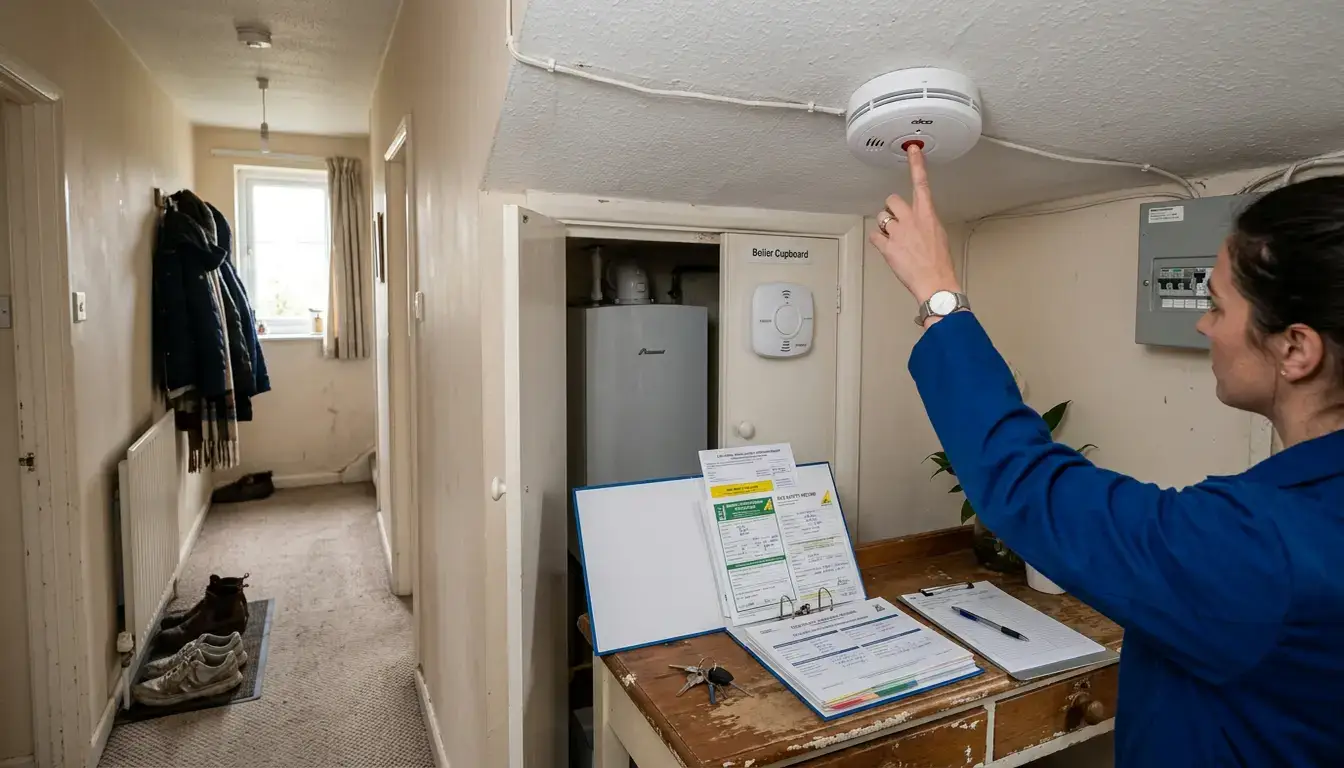
Buyers will expect clear information about the tenancy before they proceed. This usually includes the rent, deposit, notice position, compliance records and any arrears or disputes. If the property is an HMO, leasehold flat or licensed rental property, the buyer's solicitor is likely to ask more detailed questions.
Your Main Options When Selling A House With Tenants
Landlord sellers usually choose between two main routes. You can sell with tenants in place, which keeps the tenancy running after completion, or you can sell with vacant possession, which means the property must be empty when the buyer completes. Each route has benefits and risks, so the right choice depends on your goal, your buyer type and how certain you need the sale timetable to be.
Sell With Tenants In Place
Selling with tenants in place means the tenant remains in the property after completion and the buyer takes over as landlord. This can suit landlords who want to avoid a long possession process, keep rent coming in and sell to someone who understands investment property. It can also be less disruptive for the tenant, which often makes the process calmer and easier to manage.
The trade off is that your buyer pool is usually smaller. Most owner occupiers want to move into the property themselves, so they are unlikely to buy unless vacant possession is available. Investors, however, may see an occupied property as attractive if the rent is realistic, the paperwork is in order and the tenant has a good payment record.
Sell With Vacant Possession
Selling with vacant possession means the property must be empty at completion, with no tenants or belongings left behind. In simple terms, the buyer gets the property without anyone living there. This can open the sale to a wider market, including first time buyers, families and owner occupiers. It may also make it easier to clean, repair, decorate and present the property for viewings.
The challenge is timing. If the tenant does not leave by agreement, you may need to follow a formal notice process and, in some cases, apply to court. During a vacant period you may also lose rent while still paying the mortgage, insurance, council tax and utilities. A vacant property can look simpler on paper, but getting there is not always quick.
Sell Tenanted Or Vacant Which Option Is Better?
The better option depends on whether speed, sale price, certainty or a wider buyer market matters most to you. If you want a quicker and less disruptive sale, selling with tenants in place may be more practical. If you want to attract the widest range of buyers, vacant possession may be worth considering, as long as you can manage the time and cost risk.
A tenanted sale is usually aimed at landlords, portfolio buyers and property investors who assess the house as an income producing asset. They will look closely at rent, yield, tenant history, licensing and compliance. Yield simply means the rental return compared with the property value or purchase price. A vacant sale is more likely to appeal to someone buying a home to live in, and the price may be influenced by presentation, layout, local comparable sales and mortgageability.
The biggest risk with a tenanted sale is a smaller buyer pool. The biggest risk with a vacant sale is uncertainty over possession and costs while the property is empty. For many landlords, the decision comes down to whether they prefer a broader market or a more focused investor sale with less need to disturb the tenancy.
What Notice Is Required If You Want The Tenant To Leave?
The notice required depends on the tenancy type, when the tenancy started, the legal ground being used and whether the tenant leaves by agreement. Possession grounds are the legal reasons a landlord may rely on when asking a court for possession. In England, sale related possession rules have changed under the Renters' Rights Act framework, so landlords should not rely on old assumptions about Section 21 or informal notice.
Under the new system, Section 21 has been abolished and landlords who genuinely intend to sell may need to rely on a specific possession ground. Government guidance explains that the sale ground generally requires four months' notice and cannot usually be used during the first 12 months of many new tenancies. You can read the official position in the GOV.UK guidance on the Renters' Rights Act.
Serving notice is not the same as getting vacant possession. If the tenant does not leave by the date stated, court action may still be needed. Landlords should check the latest official forms, keep evidence of their intention to sell and take legal advice before agreeing a completion date that depends on the tenant leaving.
Can You Serve Notice Simply Because You Want To Sell?
Wanting to sell may give you a possible legal route, but it does not give you instant possession. A landlord must use the correct process, serve the right notice, follow the required notice period and avoid any behaviour that could be seen as pressure, harassment or unlawful eviction. Even where the landlord has a genuine intention to sell, the tenant still has legal rights.
This matters because sale chains often work to tight dates. If you agree to sell with vacant possession and then the tenant stays, you may be unable to complete on time. Where there are arrears, repairs, disputes, licensing concerns or an older tenancy, it is sensible to speak to a solicitor before taking action.
Who Buys Houses With Tenants In Place?
Houses with tenants in place are usually bought by people or companies who already understand the rental market. Typical buyers include individual buy to let landlords, portfolio landlords, limited company investors, specialist property buyers, regional rental operators and, in some cases, organisations looking for social or supported housing stock. These buyers are not choosing a home for themselves. They are looking at income, risk and how easy the property will be to manage.
These buyers will usually assess the current rent, rent payment history, tenancy terms, deposit protection, safety certificates, repair records, licensing, insurance and likely net yield. They may also consider whether the rent is above or below the local market, whether the property needs urgent work and whether the tenant is likely to remain long term.
If you want a practical route and a clearer conversation about investor demand, selling a property quickly through a specialist route can be worth exploring, especially where a traditional open market sale may be slowed by access, condition or tenancy issues.
What Documents Will Buyers Ask For?
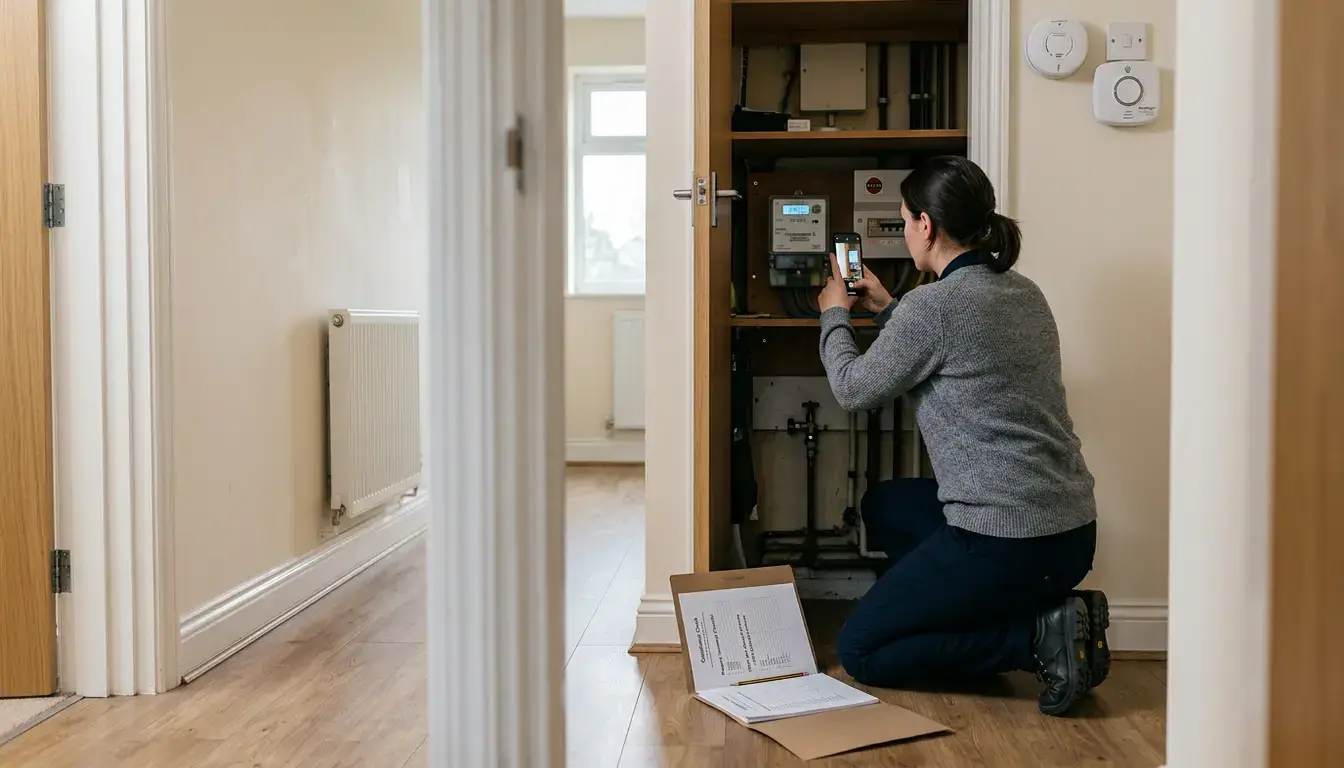
A well prepared information pack can make a tenanted sale smoother because it gives the buyer confidence that the rental position is clear. It also helps your solicitor answer questions quickly and reduces the chance of last minute surprises. Investor buyers are not expecting perfection, but they do expect honesty and proper records.
- Tenancy agreement and any renewal documents
- Deposit protection evidence and prescribed information
- Rent schedule, payment history and arrears details
- Gas safety record, electrical safety report and Energy Performance Certificate
- Inventory, check in report and repair records
- Licence documents for selective licensing or HMO use, where applicable
- Insurance details, management agreement and details of notices served
- Leasehold service charge and ground rent information, where relevant
- Details of complaints, enforcement action or ongoing disputes
If any records are missing, deal with the issue early rather than hoping it will not come up. A buyer's solicitor will usually ask, and delays are much harder to manage once a completion date is being discussed.
What Happens To The Tenancy After Completion?
When a tenanted property is sold, the tenancy usually continues and the buyer becomes the new landlord. The tenant should be told clearly who now owns the property, where rent should be paid and who to contact about repairs or management matters. The deposit position must also be handled correctly because responsibility for the protected deposit and related information needs to transfer properly.
The sale contract and conveyancing process should deal with rent apportionment, deposits, notices, keys, management information and any outstanding repairs. Rent apportionment simply means splitting rent fairly between the seller and buyer for the part of the rental period each person owns the property. Good communication helps everyone. The tenant avoids confusion, the buyer understands what they are taking on and the seller reduces the risk of questions after completion.
How Should You Arrange Viewings With Tenants?
Viewings need to be arranged respectfully and lawfully. The property may belong to you, but it is the tenant's home while the tenancy continues. Give proper notice, agree sensible times and avoid repeated disruption. A little courtesy often works better than a stern message sent late in the evening.
It helps to explain the plan early, especially whether you are aiming to sell with the tenant remaining or with vacant possession. If the sale is to another landlord, reassure the tenant that the tenancy may continue and explain that the buyer will need to inspect the property. Keep arrangements in writing, avoid surprise visits and consider using good photography or a virtual viewing to reduce the number of appointments.
Manchester And North West Considerations
Landlords in Manchester and parts of the North West should pay close attention to licensing and compliance before marketing a tenanted property. Some areas may be covered by selective licensing, and HMOs may need mandatory or additional licensing depending on the occupation and layout. Not every rented property needs a licence, but assuming it does not can be a costly mistake.
Investor buyers will often ask for licence documents, safety records and evidence that the property has been managed properly. In busy local rental markets, they may also look closely at tenant demand, transport links, nearby employment, refurbishment costs and whether the current rent is realistic for the area. If an HMO is being sold to another landlord, the buyer will want to understand the rental setup and compliance position. If it is being sold to an owner occupier, the licensing position and future use of the property may need separate thought.
Local experience can make a real difference. A buyer looking at a Manchester rental property may be thinking about yield, tenant demand, licensing, transport links, refurbishment cost and long term regulation all at once. Clear paperwork and realistic pricing make the property easier to assess.
Costs To Compare Before Deciding How To Sell
Before choosing a route, compare the full cost rather than only the headline sale price. A vacant sale may achieve wider buyer interest, but you may face lost rent, council tax during vacancy, utilities, insurance changes, repairs, court costs and mortgage payments while waiting. A tenanted sale may involve a more investor focused price, but the rent may continue until completion and the process can sometimes be more direct.
You should also factor in estate agent fees, legal fees, mortgage redemption costs, early repayment charges and possible Capital Gains Tax. Tax is personal to your circumstances, so an accountant is the right person to advise. The best decision is often the one that gives you the strongest net result, not simply the highest advertised asking price.
Common Mistakes Landlords Should Avoid
The most common mistake is assuming that a sale ends the tenancy. It does not. Another common problem is promising vacant possession before the tenant has left or before the legal process is complete. That can put the whole sale at risk, particularly if the buyer needs a mortgage or has their own moving deadline.
Other avoidable mistakes include failing to disclose arrears, ignoring licensing, arranging viewings without proper notice, losing deposit records and serving the wrong notice. It is also unwise to market a property as vacant when it is occupied. Buyers can cope with many issues if they are told clearly at the start, but surprises rarely help negotiations.
Frequently Asked Questions
Can I Sell A House With Tenants Still Living There?
Yes, a landlord can usually sell with tenants in occupation, provided the tenancy and legal requirements are respected.
Does Selling The Property End The Tenancy?
No, the tenancy usually continues after completion and the buyer takes over the landlord's position.
Can I Make The Tenant Leave Because I Want To Sell?
Not automatically. You must follow the correct legal possession route, and court action may be needed if the tenant does not leave.
Is A Tenanted Property Worth Less?
Not always. Value depends on rent, yield, location, condition, tenancy terms, compliance and the type of buyer.
Who Buys Properties With Tenants In Place?
Typical buyers include buy to let landlords, portfolio investors, limited company landlords and specialist rental property investors.