Buy To Let Deposit Upfront Costs
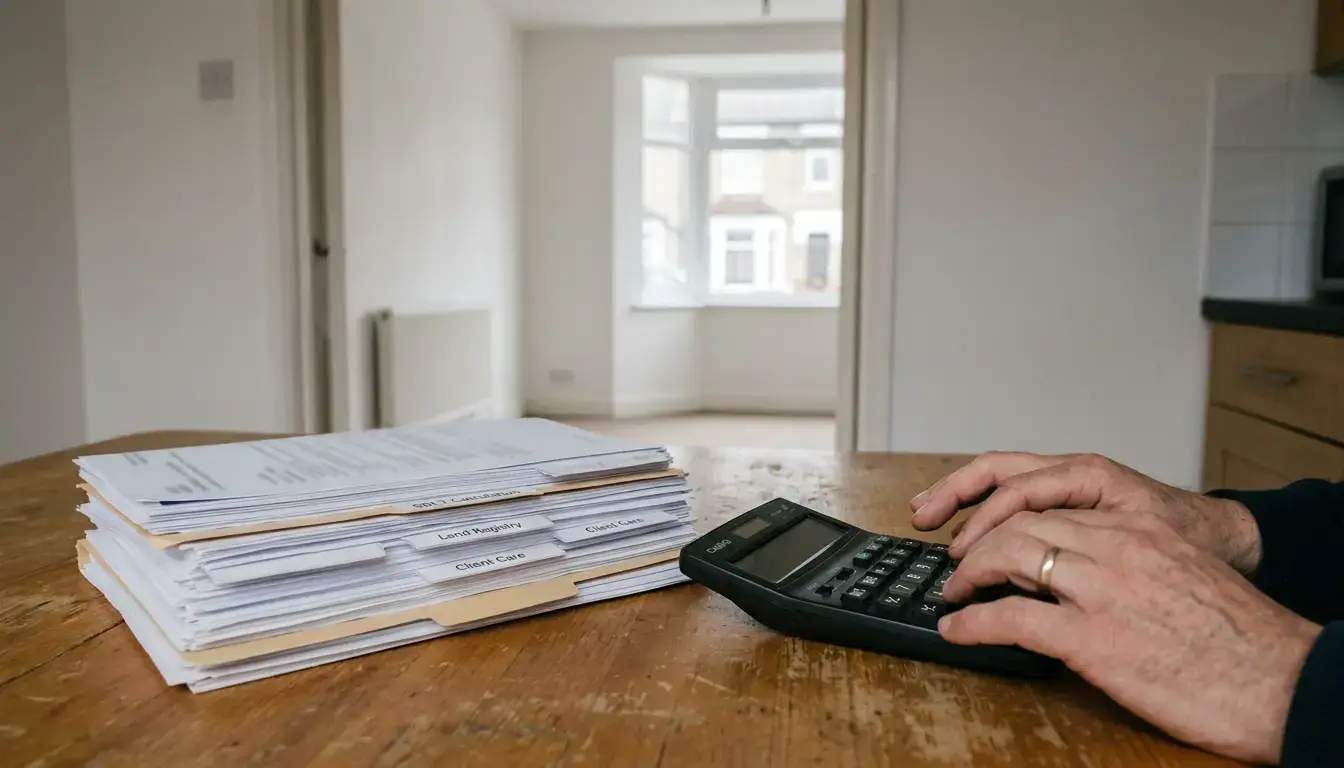
A typical buy to let deposit in the UK is around 25 percent of the property price. This usually means a 75 percent loan to value mortgage. For a £200,000 investment property, the deposit would be about £50,000 before you add Stamp Duty Land Tax, mortgage fees, legal costs, surveys, insurance, initial repairs, and a sensible cash reserve. So, the deposit is not the full amount you need upfront. It is the main figure, but it is only one part of the full buying budget.
The easiest way to work it out is to multiply the purchase price by the deposit percentage. If the property costs £250,000 and the lender wants a 25 percent deposit, you need £62,500 for the deposit alone. The rest of your budget should cover the cost of completing the purchase and getting the property ready to let. Pennine Investments helps investors look at these numbers in a practical way, with a focus on property opportunities, risks, and realistic capital planning across the UK property market, especially in the North West.
How Much Buy To Let Deposit Do You Need?
A 25 percent buy to let deposit is a common planning figure, but it is not a fixed rule for every lender or every property. Some lenders may consider a smaller deposit in limited cases, while others may expect 30 percent, 35 percent, or even 40 percent. This can depend on your financial position, the type of property, the expected rental income, and the lender's own rules.
As a rough guide, a 20 percent deposit on a £200,000 property would be £40,000. A 25 percent deposit would be £50,000, a 30 percent deposit would be £60,000, and a 40 percent deposit would be £80,000. On a £300,000 property, those same deposit levels become £60,000, £75,000, £90,000, and £120,000. These figures are useful starting points, but they do not include tax, conveyancing, mortgage fees, surveys, repairs, or reserves.
If you are planning your first buy to let purchase, it is worth slowing down and checking the full budget before you make an offer. The deposit needed can change if the property is a flat with high service charges, a house in multiple occupation, a new build, a short lease property, or a home that needs major work. It can also vary if you are a first time landlord, a portfolio landlord, buying through a limited company, or using equity from another property. Treat 25 percent as the usual starting point, not a promise from every lender.
What Loan To Value Means For A Buy To Let Deposit
Loan to value, often called LTV, shows how much of the property price is being funded by the mortgage. If you buy a property for £200,000 and borrow £150,000, the mortgage covers 75 percent of the purchase price. That means the LTV is 75 percent, and your deposit is the other 25 percent.
If you borrow £120,000 on the same £200,000 property, the LTV is 60 percent because the lender is funding a smaller share of the purchase price. From the lender's point of view, a lower LTV usually means lower risk because there is more equity in the property. That is why lower LTV bands can sometimes give you access to a wider choice of products or more competitive pricing.
It is still important not to look at the interest rate on its own. A mortgage with a slightly lower rate but a large product fee may not always be the best overall option. Early repayment charges, valuation costs, arrangement fees, fixed rate periods, and your future refinance position all matter too. Buy to let lending rewards clear thinking, not just the biggest deposit.
How Buy To Let Deposit Size Can Affect Mortgage Rates
Buy to let mortgage rates are often grouped by LTV bands. A 75 percent LTV product is likely to sit in a different risk band from a 60 percent LTV product. The lower the LTV, the less the lender is being asked to advance against the property. This can sometimes improve pricing or give you more product choice.
A 25 percent deposit is often enough to start exploring standard buy to let options, but a 30 percent or 40 percent deposit may improve flexibility in some cases. This can help if the rent is close to the lender's minimum requirement, if you have other financial commitments, or if the property type needs more careful checking. However, a larger deposit also ties up more of your cash. That may reduce your ability to fund repairs, cover empty periods, or buy again later.
The best deposit level is not always the largest one you can afford. You need to balance the mortgage rate with the cash you keep back after completion, the expected rent, the property condition, and your wider investment plan. A slightly higher LTV with a healthy reserve can sometimes be more practical than putting every spare pound into the deposit and hoping the boiler behaves itself.
How Rental Income Affects A Buy To Let Deposit
Buy to let affordability is different from a standard residential mortgage. Lenders usually place strong weight on the expected rental income from the property. They often use an interest coverage ratio, which is simply a rent safety check. It tests whether the rent is enough to cover the mortgage interest by a set margin. This gives the lender comfort that the property can support the borrowing, even if costs rise.
For example, suppose the mortgage is £150,000 and the lender checks the figures using an interest rate of 5.5 percent. This is known as a stress test. It is not always the rate you pay. It is a cautious rate the lender uses for its calculation. The annual stressed interest would be £8,250. If the lender wants the rent to cover 125 percent of that amount, the required annual rent would be £10,312.50, which is about £859 per month. This is only an example because lenders use different rates and coverage levels.
Rental evidence matters. An optimistic advert from a similar property is not the same as a reliable letting appraisal. Local demand, property condition, bedroom count, service charges, and tenant profile can all affect whether the numbers work. In places such as Manchester and Greater Manchester, street level differences can be significant. It is wise to check rent expectations before you spend money on surveys and legal work.
The Full Buy To Let Deposit And Upfront Cost Stack
The full upfront cost of a buy to let purchase is the deposit plus everything needed to complete safely and run the property properly. Stamp Duty Land Tax is often the biggest extra cost after the deposit. In England, buy to let purchases are commonly treated as additional residential property purchases, so higher rates may apply depending on your circumstances. Current rules should always be checked using GOV UK guidance on higher rates of Stamp Duty Land Tax.
When the costs start adding up, it can feel exciting and slightly daunting at the same time. That is normal. A clear budget helps you stay in control before you commit to the purchase.
- Deposit for the mortgage
- Stamp Duty Land Tax
- Mortgage product fees and valuation costs
- Legal and conveyancing fees
- Searches and Land Registry charges
- Survey costs
- Insurance before and after completion
- Initial repairs, cleaning, and compliance checks
- Furniture, appliances, and safety equipment if needed
- Cash reserve for empty periods, repairs, and early ownership costs
Using a £200,000 purchase as a simple example, the higher rate calculation may be £6,250 on the first £125,000 and £5,250 on the remaining £75,000. That gives an illustrative SDLT figure of £11,500. SDLT is progressive, which means different parts of the purchase price are charged at different rates. It is not usually one single percentage applied to the whole price. Tax rules can change, so always confirm the exact amount before exchange and completion.
Mortgage costs can include a product fee, booking fee, account fee, valuation fee, and, where used, a broker fee. Some product fees can sometimes be added to the mortgage, but that increases the loan balance and means you may pay interest on the fee. Legal and conveyancing costs include the solicitor's work, searches, Land Registry charges, and money transfer costs. Leasehold, limited company, and portfolio landlord purchases can involve extra legal checks.
You should also budget for proper checks before you buy. A lender's valuation is mainly for the lender, not a full condition report for you. A survey may help identify damp, roof issues, structural movement, drainage concerns, or expensive repairs. Flats need careful lease review, including service charges, ground rent, lease length, and restrictions on letting. These details can affect mortgage suitability and future resale value.
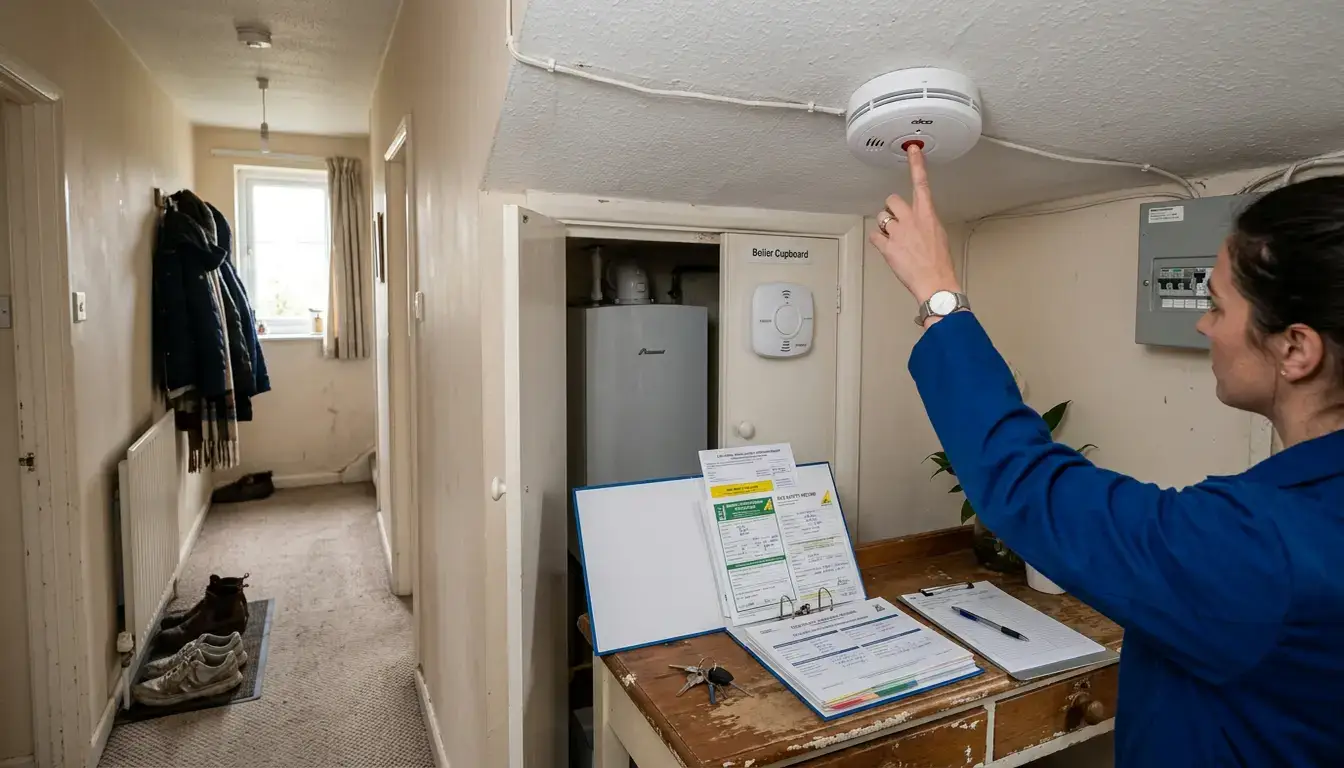
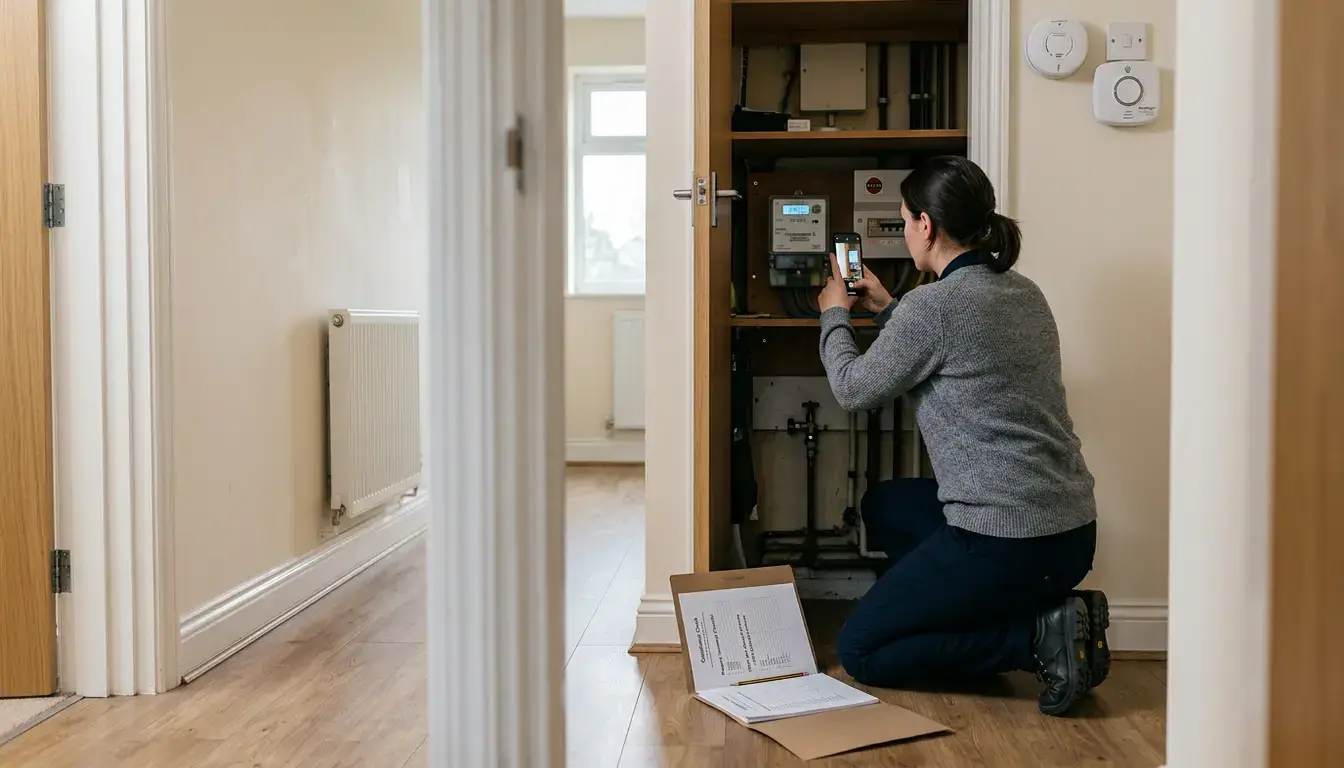
Then come the practical landlord costs. Initial repairs, redecoration, flooring, furniture, appliances, safety checks, smoke alarms, carbon monoxide alarms, Energy Performance Certificate improvements, and cleaning can all absorb cash quickly. Insurance also needs attention, including buildings cover and landlord specific cover. If you use a letting agent, allow for tenant finding, management, inventory, and check in costs.
A cash reserve is not a luxury. It protects you against empty periods, late rent, emergency repairs, insurance excesses, appliance replacement, compliance costs, and higher payments at refinance. Many investors focus so heavily on buying the property that they forget the first few months of ownership can be the most cash hungry. A reserve gives you breathing space.
Worked Example Of A Buy To Let Deposit In Manchester
For a £200,000 Manchester buy to let with a 25 percent deposit, you would need £50,000 for the deposit. If higher rate SDLT applies, the illustrative SDLT amount could be £11,500 based on the example above. That means you are already at £61,500 before legal fees, mortgage costs, surveys, insurance, works, furnishing, and reserves.
Your total cash requirement might be written as deposit plus SDLT plus legal costs plus mortgage fees plus survey costs plus initial works plus cash reserve. The exact figure depends on the property, lender, solicitor, survey result, and your letting plan. A flat with a service charge and furniture needs may look very different from a small terrace that needs only light redecoration.
Manchester can be a strong area of interest for landlords, but citywide averages are only a starting point. Purchase prices, rents, tenant demand, and service charges vary from one neighbourhood to another. A property near transport, employment centres, universities, or major amenities may appeal to a different tenant group from a quieter suburban house. The numbers should always be tested against the actual property, not just the postcode.
What Your Buy To Let Mortgage Usually Will Not Cover
The mortgage is normally based on the property price or valuation, not on your total buying costs. That means SDLT, legal fees, survey fees, searches, insurance, repairs, and reserves usually need to come from your own funds. If the lender values the property below the agreed purchase price, your cash requirement can increase because the mortgage may be calculated against the lower valuation.
This is where many first time landlords get caught out. Having exactly 25 percent of the purchase price saved does not always mean you are ready to buy. If every pound goes into the deposit, there may be nothing left for the tax bill, the solicitor, the surveyor, or the first repair. A realistic upfront budget should be built before you make an offer, not after the invoices arrive.
Using Equity For A Buy To Let Deposit
Some investors use equity from another property to help fund a buy to let deposit. This may involve extra borrowing against a home or another investment property, subject to affordability, valuation, and lender criteria. It can help release capital, but it also increases overall debt and may affect monthly commitments.
Equity is not free money, even if it feels more comfortable than using savings. You still need to consider interest costs, repayment structure, risk, tax position, and what happens if rents fall or mortgage rates rise. Personal ownership, limited company ownership, joint ownership, and portfolio lending can all have different implications, so mortgage and tax advice are important before committing.
Buy To Let Deposit Checklist
Before you decide whether a property is affordable, it helps to work through the main cash items in one place. Keep the figures realistic and update them as quotes come in.
- Purchase price confirmed and compared with local evidence
- Target LTV selected and deposit calculated
- SDLT checked against current rules
- Mortgage product fees and valuation costs identified
- Conveyancing quote obtained
- Survey budget allowed for
- Initial repairs, furniture, and compliance work priced
- Landlord insurance considered
- Letting costs and management fees reviewed
- Rental appraisal completed using local evidence
- Interest coverage and stress test considered
- Emergency reserve kept back after completion
- Ownership structure and tax position reviewed professionally
How Much Cash Should You Keep After Completion?
You should avoid completing with an empty bank account. Property investment is not only about getting the keys. It is about holding the asset safely when real life starts happening, which may include a broken boiler, a delayed tenancy start date, an unexpected repair, or a mortgage payment due before rent arrives.
A sensible reserve should reflect the size of the mortgage, the age and condition of the property, the likely tenant profile, service charges, insurance excesses, and your wider income position. It should also allow for empty periods and future refinancing risk. If interest rates rise or the property needs work before reletting, a reserve can stop a manageable issue becoming a stressful one.
Final Thoughts On Your Buy To Let Deposit
A 25 percent deposit is a good starting point for many buy to let calculations, but it is only part of the answer. The true upfront cost includes SDLT, legal fees, mortgage fees, surveys, insurance, initial works, and a reserve for the unexpected. The right deposit level should support the mortgage application without leaving you short of working capital.
Before moving ahead, test the purchase price, rent, LTV, fees, and reserve together. A property that looks affordable on deposit alone may look very different once the full cost stack is included. Careful planning at the start gives you a far clearer view of whether the investment is genuinely viable.
Frequently Asked Questions
Is 25 percent enough for a buy to let deposit?
It is a common benchmark for a 75 percent LTV buy to let mortgage, and it can be enough for many standard purchases. However, you still need extra funds for SDLT, legal fees, mortgage costs, surveys, works, insurance, and reserves. The deposit is only the starting point.
Can I get a buy to let mortgage with a 20 percent deposit?
It may be possible in some cases, but your choice of lenders and products can be more limited. Pricing may also be less competitive. The property type, expected rent, your wider finances, and the lender's criteria will all affect whether it is realistic.
Does a larger deposit always mean a better mortgage rate?
A larger deposit can improve your LTV and may open up better options, but it does not automatically make a deal cheaper overall. Product fees, early repayment charges, valuation costs, and the length of the fixed rate period all need to be checked alongside the interest rate.
Do I pay Stamp Duty on a buy to let property?
In England, buy to let purchases often fall under additional property SDLT rules. The exact amount depends on your circumstances, the purchase price, and the tax rules in place at the time. Always confirm the figure before exchange so there are no expensive surprises.
How much rent must a buy to let property generate?
Lenders usually test whether the rent covers stressed mortgage interest by a set margin. This margin and the stress rate can vary between lenders and products. A realistic local rental appraisal is important because the rent can affect how much you are able to borrow.