Landlord responsibilities in England cover much more than collecting rent and handing over keys. A landlord must provide a safe home, keep important parts of the property in good repair, follow gas and electrical safety rules, protect deposits, complete Right to Rent checks, respect tenant privacy, meet licensing rules where they apply and keep clear records in case anything is questioned later.
The detail can feel a little much at first, especially if you manage a property alongside work, family life or other commitments. The good news is that most duties become easier once they are organised into a clear system. Pennine Investments works across property investment, development and portfolio support, with practical knowledge of the North West market, helping landlords and investors understand both opportunity and risk before small compliance gaps become expensive problems.
Landlord Responsibilities Checklist
A useful way to understand landlord responsibilities is to split them into safety, paperwork, tenant rights and local licensing. Some duties apply to almost every private rented home in England. Others depend on the property type, location, number of occupiers or tenancy structure. If you are unsure, check current official guidance and speak to the local council before letting the property.
- Keep the property safe, secure and fit for people to live in.
- Repair the structure, outside areas, heating, hot water, sanitation, gas, electricity and shared areas where required.
- Arrange annual gas safety checks where gas is supplied.
- Arrange electrical inspection and testing at least every five years.
- Install and maintain smoke alarms and carbon monoxide alarms where required.
- Provide an Energy Performance Certificate before letting.
- Protect qualifying tenancy deposits within thirty days and serve prescribed information.
- Complete Right to Rent checks before the tenant moves in.
- Check whether the property needs an HMO licence or selective licence.
- Give proper notice before inspections and respect quiet enjoyment.
- Keep evidence of certificates, checks, repairs, notices and tenant messages.
Landlord Responsibilities Before Letting A Property
Before advertising a property, landlords should confirm that the home is legally ready to let. This means checking the condition of the property, safety certificates, energy rating, licensing position and key documents. It is much easier to fix missing paperwork before a tenant moves in than to deal with it later when rent, repairs or possession issues are involved.
The property should be free from serious hazards and suitable for occupation. Under the Homes Fitness for Human Habitation Act, tenants should not be expected to live with serious damp, dangerous electrics, unsafe stairs, broken heating, poor ventilation or sanitation issues. Landlords are not expected to make every property look like a show home, but they do need to provide a home that is safe, dry, practical and properly maintained.
An Energy Performance Certificate should usually be available before marketing. Landlords also need to check minimum energy efficiency rules and any exemptions using current official guidance, as requirements can change. A simple compliance folder is worth creating at this stage. Keep the EPC, safety records, licence documents, inventory, appliance manuals and emergency contact details in one place. If someone asked for them tomorrow, would you know where to find them?
Landlord Responsibilities For Repairs And Maintenance
Landlord repair duties usually cover the structure and outside parts of the property, including walls, roof, windows, gutters, drains and external doors. They also cover installations for water, gas, electricity, sanitation, heating and hot water. If the property has shared hallways, staircases or entrances, the landlord may also be responsible for keeping those areas safe and in good repair.
Tenants should report repair issues quickly and look after the home in a tenant like way. This means doing small everyday tasks such as changing light bulbs, using the heating sensibly and not causing avoidable damage. However, a tenant cannot be made responsible for legal repair duties that belong to the landlord simply because a tenancy agreement says so. If the boiler fails, the wiring is unsafe or the roof leaks, the landlord must deal with it.
There is no single repair deadline that applies to every situation. A major leak, suspected gas escape, dangerous electrical fault or no heating in freezing weather needs urgent action. A dripping tap or loose cupboard door may be routine, although it should still be logged and handled within a reasonable time. Vulnerable tenants, children, older occupants and health risks should always be considered when deciding priority.
A practical repair process is simple. Record the report, assess the risk, arrange access, use a competent contractor, make the property safe, keep invoices and confirm completion with the tenant. Good records protect both sides and can be very useful if a council, deposit scheme or court later asks what happened and when.
Landlord Responsibilities For Gas, Electrical And Fire Safety
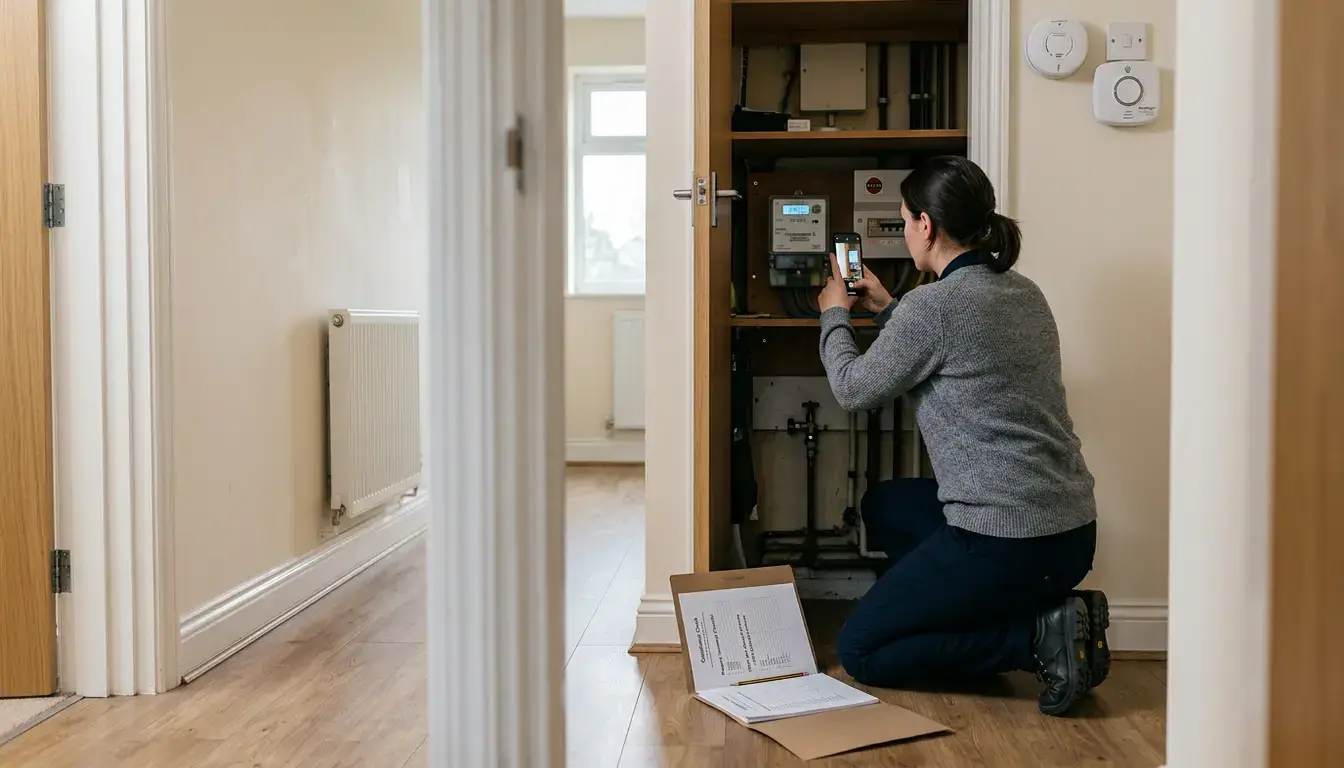
If the rental property has gas appliances, gas pipework or flues, the landlord must arrange an annual gas safety check by a Gas Safe registered engineer. The Gas Safety Record should be provided to the tenant at the correct stage and kept by the landlord. If an engineer identifies an unsafe appliance, it must not be used until it has been made safe.
Electrical safety is separate from gas safety. Landlords in England must have the fixed electrical installation inspected and tested by a qualified and competent person at least every five years. This results in an Electrical Installation Condition Report, often called an EICR. In simple terms, it is the main report on the safety of the fixed wiring. If repair work is required, it should be completed within the required timeframe and evidence should be kept.
Fire safety duties include working smoke alarms on each storey used as living accommodation and carbon monoxide alarms in rooms where the rules require them. Alarms should be tested at the start of the tenancy, and landlords must repair or replace faulty alarms once notified. Supplied furniture and appliances should also be safe. HMOs often have extra fire safety requirements, such as more detailed alarm systems and safe escape routes.
Official requirements can change, so landlords should use current government guidance rather than old online summaries. The broad national duties are set out on GOV.UK landlord duties, which is a sensible starting point for checking the latest position.
Landlord Responsibilities For Deposit Protection
Where a tenancy deposit protection scheme applies, the landlord must protect the deposit in a government approved scheme within thirty days of receiving it. The tenant must also receive prescribed information within the same period. This is the formal set of details that explains where the deposit is protected and how it will be handled. It is not just helpful admin. It is a legal duty, and missing the deadline can cause serious problems later.
Prescribed information usually explains where the deposit is protected, the deposit amount, the property address, scheme details, contact details, repayment rules and the dispute process. Landlords should keep proof that this information was served, not just a copy sitting in a folder. Evidence might include a signed receipt, email delivery records or a tenancy document bundle acknowledged by the tenant.
At the end of the tenancy, any proposed deductions should be supported by evidence. A signed inventory, check in photographs, check out photographs, contractor invoices and clear messages all help. Without evidence, deposit deductions become much harder to justify, even where the landlord feels the damage is obvious.
Landlord Responsibilities For Right To Rent Checks
Right to Rent checks apply in England and must be completed before the tenancy begins. The landlord or appointed agent must check every adult occupier who will use the property as their only or main home. It is important to check everyone consistently, rather than deciding who to check based on accent, appearance, name or assumed nationality.
The process is about establishing a statutory excuse. In plain English, this means creating legal proof that the landlord followed the correct checking process at the correct time. Depending on the occupier status, this may involve original documents, an online share code or another approved route. The landlord should record the date of the check, keep the correct evidence securely and diarise any follow up check where the right to rent is time limited.
Right to Rent penalties can be significant. Current Home Office figures include penalties for first breaches and higher penalties for repeat breaches, with different amounts for lodgers and occupiers. Because the penalty regime can change, landlords should check the latest Home Office code of practice before relying on figures found on older websites.
Landlord Responsibilities For Licensing In Manchester And Other Areas
Licensing is where many landlords get caught out because the rules are not the same for every property. A standard single household home may not need a licence, while a shared property or a property in a designated area might. The exact answer depends on the property layout, number of occupiers, number of households and local council scheme. Have you checked the exact address recently rather than assuming last year rules still apply?
Mandatory HMO licensing generally applies where five or more people from two or more households occupy a property and share facilities such as a kitchen, bathroom or toilet. Manchester landlords should check the council live requirements because HMO standards, fire precautions and licence conditions can be detailed. A separate licence may be needed for each property, so one licence does not cover a whole portfolio.
Selective licensing is different. It applies to certain privately rented homes in designated areas, even where the property is not an HMO. Manchester has used selective licensing in specific areas, so landlords should check the exact address against current council information before letting. Licensing conditions can cover property management, safety, tenant information and anti social behaviour procedures.
For landlords building or reviewing a rental portfolio, wider planning around property type, compliance cost and management input matters just as much as headline rent. Our article on becoming a landlord is a useful next step if you are weighing up whether self management or professional support is the right route.
Landlord Responsibilities For Documents And Records
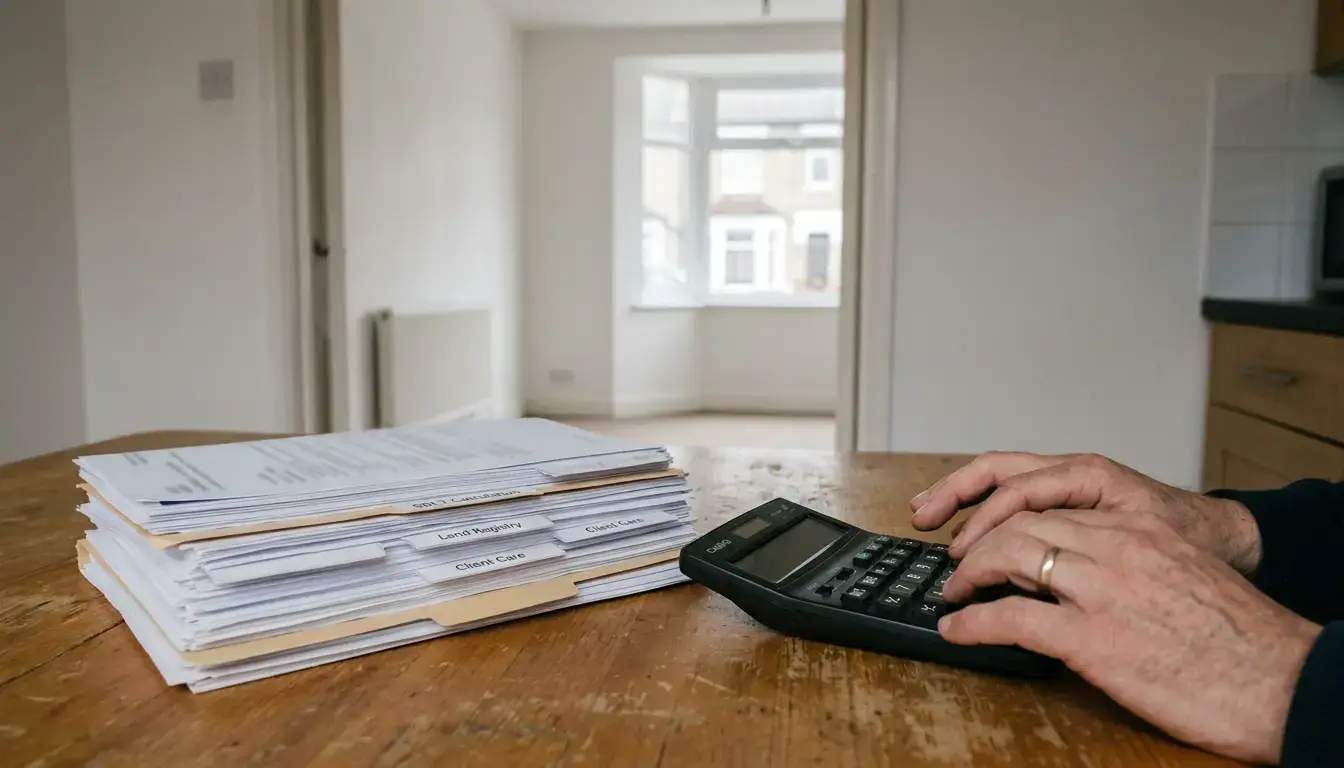
Landlords should treat paperwork as evidence, not clutter. If something goes wrong, the question is often not only whether the landlord complied, but whether they can prove it. A tidy digital and paper file makes disputes, inspections and renewals much easier to manage.
- EPC, checked before marketing and reviewed before expiry.
- Gas Safety Record, renewed every year where gas duties apply.
- Electrical Installation Condition Report and repair work evidence.
- Deposit protection certificate and prescribed information.
- Right to Rent records and follow up reminders.
- How to Rent guide evidence where required.
- Licence application, licence certificate and licence conditions.
- Inventory, check in report, photographs and check out report.
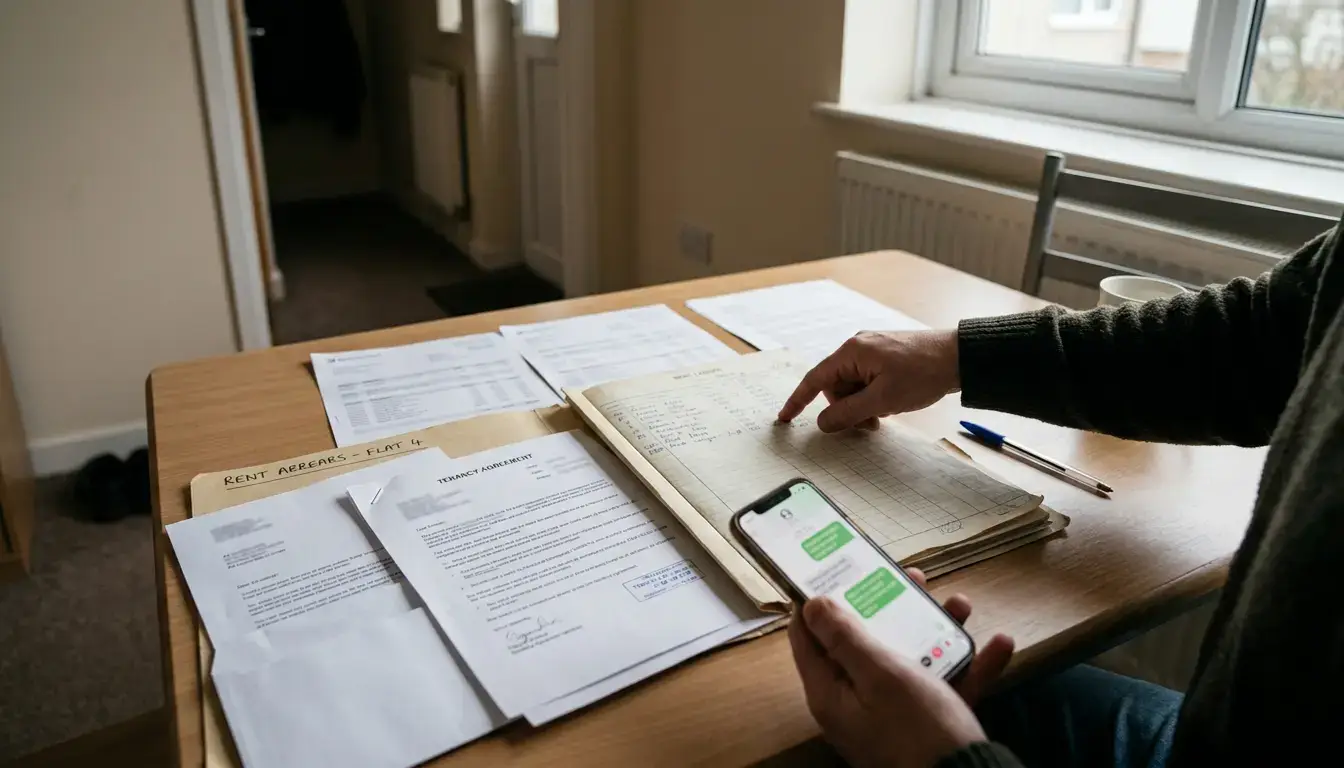
- Repair log, contractor invoices and tenant messages.
- Inspection notes and safety alarm checks.
Landlord Responsibilities For Tenant Privacy And Access
A landlord owns the property, but the tenant has the right to live there without unnecessary interference. In most cases, landlords should give at least twenty four hours notice before visiting, and the visit should be at a reasonable time. Emergencies are different, such as a serious leak or immediate safety risk, but routine inspections should be planned properly.
Inspections are useful when handled well. They can spot leaks, ventilation problems, mould risks, overcrowding, damage or safety concerns before they grow. The key is to be respectful, keep the visit proportionate and record findings clearly. Turning up repeatedly, entering without consent or using visits to pressure a tenant can create legal risk and damage trust.
What Happens If A Landlord Fails To Comply?
The consequences depend on the duty, the seriousness of the breach and the action taken by the tenant, council, deposit scheme or court. Some issues lead to civil penalties, while others can involve prosecution, improvement notices, prohibition notices, work carried out by the council in default, Rent Repayment Orders or restrictions on using certain possession routes. A Rent Repayment Order can require a landlord to repay rent in certain serious cases.
Deposit mistakes can lead to financial penalties and problems serving certain notices. Licensing breaches can result in large penalties, prosecution and repayment claims. Safety failures can be even more serious, especially where tenants are put at risk. Missing documents may also delay a sale, refinance or portfolio review, as lenders and buyers increasingly ask for clear compliance evidence.
Landlords who use agents should still stay involved. An agent can carry out tasks, but the landlord should understand who is responsible for each duty, what evidence is being kept and when renewals are due. If you want support with the practical side of running a rental property, landlord property management can help keep compliance, repairs and tenant communication more organised.
A Simple Landlord Responsibilities Calendar
Before advertising, check licensing, EPC status, property condition, gas safety, electrical safety, alarms and the inventory. Before move in, complete Right to Rent checks, provide required documents, protect the deposit, serve prescribed information and record what has been given to the tenant.
Every year, renew the gas safety check where required, review alarms, inspect for hazards, check insurance and confirm any licence conditions are still being met. Every five years, arrange the electrical inspection unless a shorter period is stated in the report. At every tenancy change, update the inventory, repeat checks where needed and consider whether the property use or number of occupiers has changed.
Last reviewed: October 2026. Landlord law, local licensing, possession rules and energy standards can change, so always check the current position before acting. Avoid relying on withdrawn government guidance or old forum answers, no matter how confidently they are written.
Frequently Asked Questions
What Is A Landlord Legally Responsible For?
A landlord is responsible for providing a safe and habitable property, carrying out key repairs, meeting gas and electrical safety duties, protecting deposits, completing Right to Rent checks and following licensing rules where they apply.
Does A Landlord Have To Fix Every Repair?
No. Tenants may be responsible for damage they cause and small everyday care tasks. However, landlords cannot avoid their legal duties for structure, heating, hot water, sanitation, gas, electricity and safety.
How Long Does A Landlord Have To Complete Repairs?
There is no single deadline for every repair. The timeframe depends on risk, urgency, loss of essential services and the tenant circumstances.
Does Every Manchester Landlord Need A Licence?
No. Licensing depends on the property type, number of occupiers, household arrangement and whether the address is in a selective licensing area. Always check the current Manchester City Council position for the exact property.
Can A Letting Agent Take Over All Landlord Responsibilities?
An agent can manage tasks, but the landlord should still monitor compliance and keep evidence. The contract should clearly state who does what and when.