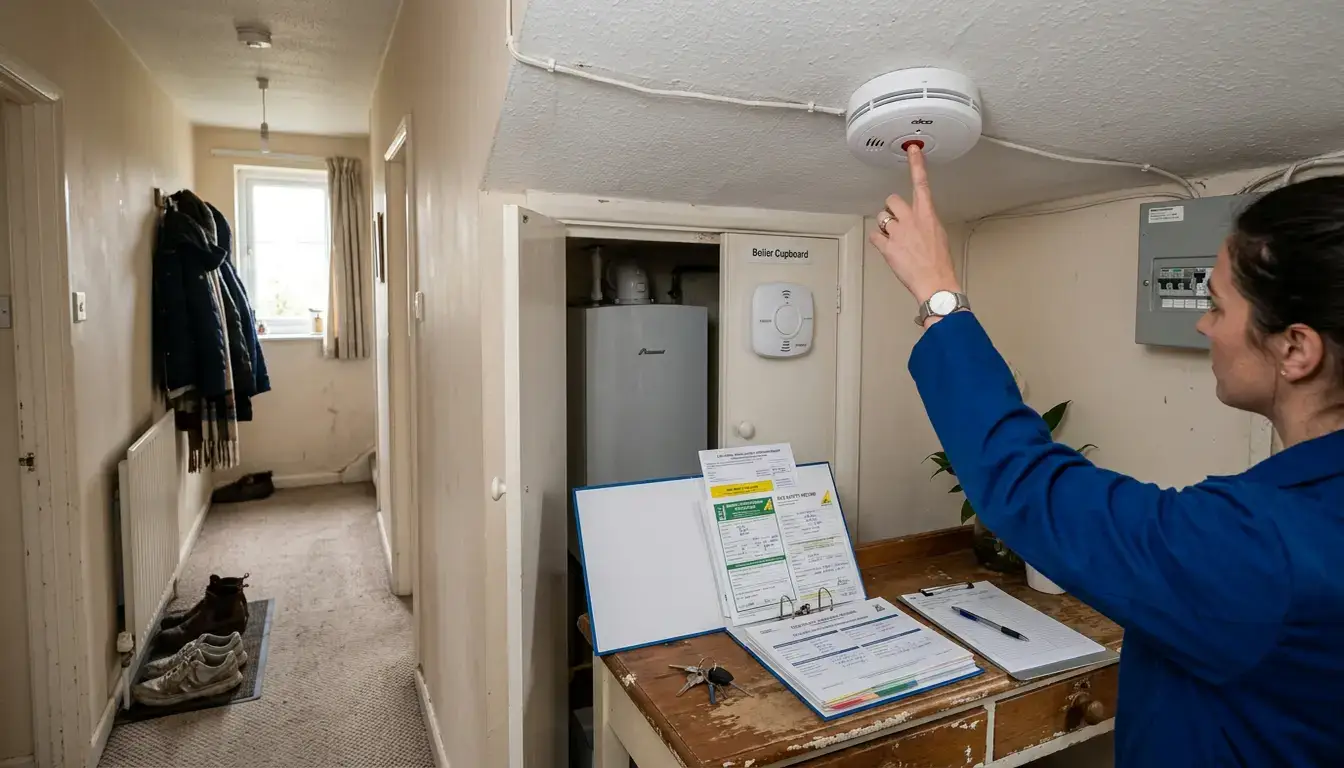
Section 21 Notice Rules For Landlords In 2026
If you are a landlord trying to keep up with the 2026 rental changes, the main point is clear. You cannot serve a new Section 21 notice in England from 1 May 2026. For private landlords, the old route for getting possession without giving a legal reason has ended. Possession action now usually needs to be based on Section 8 and a valid possession ground.
If a Section 21 notice was served on or before 30 April 2026, it only remained useful if it was valid and the landlord started court proceedings within the transition deadline. In most cases, that deadline was no later than 31 July 2026. These rules are detailed and may be updated, so landlords should always check the latest official guidance before taking action.
A notice is not the same as an eviction. A tenant does not have to leave simply because a notice date has passed, and a landlord still needs to follow the correct court process. Taking the right steps protects both landlords and tenants, and it helps avoid delays, disputes and extra stress.
For landlords managing property in Manchester, the North West or elsewhere in England, the 2026 changes make good records, correct forms and calm decisions more important than ever. The information here is general only and is not legal advice. Landlords should take legal advice before serving notice or starting possession proceedings, especially where the facts are disputed.
Pennine Investments works with landlords, investors and property owners who need practical support around property decisions, portfolio planning and changing market conditions. With experience across property investment and landlord focused solutions, the team helps property owners understand their options clearly, without making legal or financial decisions feel more complicated than they need to be.
Section 21 Notice Changes At A Glance
The Section 21 notice 2026 position is simple at the top level. New Section 21 notices are no longer available for private rented homes in England from 1 May 2026. The change came through the Renters' Rights Act 2025, which removed the old assured shorthold tenancy route that allowed landlords to seek possession without proving a specific reason. Most existing private tenancies moved into the new assured periodic tenancy structure from the same date.
Before the change, Section 21 was often called the route for possession without fault. That did not mean a landlord could remove someone straight away. It meant the landlord did not need to prove rent arrears, breach of tenancy, antisocial behaviour or another ground. The landlord still had to serve a valid notice, wait for the notice period, apply to court and obtain a possession order if the tenant stayed.
From 1 May 2026, landlords generally need to use Section 8 instead. Section 8 requires a legal possession ground, such as serious rent arrears, a breach of the tenancy, sale of the property, or another ground that fits the facts. The correct ground, notice period and evidence must be checked before action is taken.
Section 21 Notice Changes On 1 May 2026
The biggest change is that landlords can no longer use Section 21 as a general exit route for private tenancies in England. Assured shorthold tenancies largely became assured periodic tenancies. This means many tenancies now continue on a rolling basis unless ended properly under the new rules. The end of a fixed term is no longer enough on its own to recover possession.
The aim of the reform was to move the private rented sector towards a system where possession is linked to a clear legal reason. For landlords, that means more attention must be given to evidence and process. If a landlord wants possession because they intend to sell, move back in, deal with arrears or respond to serious problems, they must identify the relevant Section 8 ground and follow the required steps.
Have you checked which legal route actually fits your situation? That question matters because using the wrong notice can cause avoidable delays and extra costs.
The rules discussed here apply mainly to private rented housing in England. Wales, Scotland and Northern Ireland have separate systems, and certain social housing or specialist tenancy arrangements may follow different rules. Where a property has an unusual tenancy, mixed use arrangement or disputed occupation status, it is worth taking tailored legal advice before serving notice.
Section 21 Notice Served Before May 2026
An old Section 21 notice could only remain useful after 1 May 2026 if it met the main transition conditions. Landlords should check whether the old notice was actually valid, rather than relying on it only because it was served before the rule change.
- It was served on or before 30 April 2026.
- It was valid immediately before the new rules started.
- Court proceedings were started within the transition period.
- In most private landlord cases, the final date for applying to court using a valid earlier Section 21 notice was 31 July 2026.
If court proceedings were not started by the relevant deadline, the old notice can no longer be used as a route to possession. Serving it before the rules changed did not freeze it forever, and a defective notice did not become valid simply because it was served in April 2026.
If the notice had problems with the form, deposit protection, prescribed information, licensing, service or required documents, the court could still refuse possession. A useful way to think about it is by dates. Was the notice served by 30 April 2026? Was it valid when served? Were court proceedings started in time? If the answer to any of those questions is no, a landlord will usually need to look at the current Section 8 process instead.
Section 21 Notice Validity Checklist
Historic Section 21 validity could be easy to get wrong, which is one reason many landlords are now reviewing their paperwork carefully. A valid notice usually depended on both the wording of the notice and the landlord's wider compliance record. The following checklist covers the common points that often mattered before the 2026 change:
- The tenancy was an assured shorthold tenancy at the time the notice was served.
- The correct Form 6A, or wording to the same effect, was used where required.
- At least two months' notice was given.
- The notice was not served too early, including within the first four months of the original tenancy where that rule applied.
- The tenancy deposit was protected in an authorised scheme.
- The tenant received the required prescribed information about the deposit.
- The tenant was given an Energy Performance Certificate.
- A gas safety certificate was given where the property had gas.
- The correct How to Rent guide was provided at the relevant time.
- Any required property licence was in place or properly applied for.
- No prohibited payment under the Tenant Fees Act was unlawfully retained.
- No relevant council improvement notice or emergency remedial action notice blocked use of Section 21.
- The notice was served correctly and the landlord had evidence of service.
Each point can make a real difference. For example, if a deposit was protected late or prescribed information was missing, the landlord may have needed to correct the issue before relying on Section 21. In some cases, the problem could be harder to fix. If there was a property licence issue, such as a house in multiple occupation needing a licence, that could also affect the claim.
Section 21 Notice Service Rules
Valid service was about more than posting a notice and hoping for the best. The tenancy agreement often set out how notices had to be delivered, such as by hand, by post or by another agreed method. If email service was not allowed by the agreement or supported by the facts, relying on email alone could create a dispute, even if the tenant appeared to have seen the message.
Landlords also needed to serve the correct tenant or tenants at the correct property address. Joint tenants, company lets and situations where someone had moved out could all add complications. The safest approach was always to keep a full copy of the notice, record the date and method of delivery, keep postage or delivery evidence, and prepare a certificate of service where needed for court.
Common service mistakes included using the wrong name, describing the address incorrectly, giving the wrong expiry date, missing the tenancy agreement's notice rules, or having no proof that the notice was served. A small admin slip can turn into a costly delay, which is why careful paperwork is not just box ticking. It is the landlord version of wearing a seatbelt.
Section 21 Notice Alternatives For Landlords
After 1 May 2026, landlords usually need a Section 8 notice if they want possession of a privately rented property in England. The notice must use the correct form, known as Form 3A or a substantially similar form, and it must state the possession ground or grounds relied on. It also needs to explain the reasons clearly enough for the tenant and the court to understand the case.
Some possession grounds are mandatory. This means the court must make a possession order if the ground is proved and the legal requirements are met. Other grounds are discretionary, which means the court decides whether it is reasonable to make the order. That difference matters because evidence and clear records become very important, especially where the tenant disputes the facts.
Common reasons for possession may include rent arrears, antisocial behaviour, breach of tenancy, a landlord intending to sell, or a landlord needing to move into the property, subject to the exact legal ground. The notice period can vary depending on the ground, so landlords should not assume that one old template will fit every case. The current official guidance on repossessing a privately rented property after 1 May 2026 is a useful starting point for checking the process.
Section 8 Possession Timeline For Landlords
The Section 8 route starts with identifying the correct ground. If the issue is rent arrears, the landlord should prepare a rent schedule, bank records and clear communication history. If the reason is sale or another management decision, the landlord must check whether the chosen ground applies and what evidence is needed. Guesswork is risky because an incorrect notice can mean starting again.
Once the landlord has the right ground, they serve Form 3A and wait for the required notice period. If the tenant does not leave, the landlord can apply to court. The court may list a hearing, review the paperwork and decide whether the ground has been proved. If possession is granted and the tenant still does not leave, the landlord must apply for enforcement through the proper bailiff or enforcement route.
What landlords must not do is equally important. Do not change the locks, remove belongings, cut off utilities, enter without lawful authority or pressure a tenant to leave. Notice expiry is not automatic possession. Taking matters into your own hands can lead to serious legal problems, and it rarely speeds things up in the long run.
Section 21 Notice Considerations For Manchester Landlords
Manchester landlords follow the same national possession rules as other private landlords in England, but local issues still matter. Licensing, council enforcement, housing standards and record keeping can all affect how smoothly a possession case runs. If a property needs a licence, or if the council has served an improvement notice, the landlord should deal with that before assuming possession action will be simple.
Good records are especially valuable for landlords with several properties or properties managed at a distance. Keep the tenancy agreement, rent ledger, deposit certificate, prescribed information, gas safety records, EPC, inspection notes, maintenance records, licence documents, notices and proof of service together. Are your deposit records, licences and safety documents easy to find if the court asks for them? It may feel like a lot of paperwork, but it can save weeks of stress if a dispute reaches court.
Landlords who want ongoing support with compliance, tenant communication and practical portfolio oversight may find dedicated landlord property management helpful, particularly when rules are changing and court processes demand better evidence. The right support can make the difference between reacting in a hurry and making a calm, informed decision.
Section 21 Notice Action Plan For Landlords
Landlords should stop using old Section 21 templates and update any standard tenancy management documents. If a Section 21 notice was served before 1 May 2026, check whether it was valid, whether the correct documents were given, and whether court proceedings were started by the transition deadline. If not, it is time to move on from Section 21 and consider the current Section 8 route.
Next, audit the basics. Check deposit protection, prescribed information, gas safety certificates, EPCs, licensing, rent records and tenant communications. If possession is still needed, identify the correct Section 8 ground, gather evidence before serving notice, use the current form and take advice where the facts are disputed. A tidy file and a clear reason will always put a landlord in a stronger position than a rushed notice.
If you are unsure where your paperwork stands, now is a good time to review your documents and plan your next step. Pennine Investments can support landlords with practical property management, portfolio planning and clearer decision making, so you can move forward with confidence rather than guesswork.
Frequently Asked Questions
Can I Serve A Section 21 Notice After 1 May 2026?
No. Private landlords in England cannot serve new Section 21 notices from 1 May 2026 and must usually use Section 8 instead. Before taking action, landlords should identify the correct Section 8 ground and check the required notice period.
Can I Still Rely On A Section 21 Notice Served In April 2026?
Only if it was valid and court proceedings were started within the transition deadline. In most cases, that deadline was 31 July 2026. If proceedings were not started in time, landlords will usually need to consider the current Section 8 route.
Does A Section 21 Notice Automatically Evict A Tenant?
No. A landlord needs a court possession order and, if the tenant still stays, lawful enforcement by bailiff or the relevant enforcement officer. A notice is only one step in the process, not the final outcome.
What Form Replaced Section 21 In 2026?
There is no direct replacement. Landlords usually need to use Section 8 with Form 3A and a valid possession ground set out in law. The right ground depends on the facts, so it is worth checking before serving notice.
Does Manchester Have Different Section 21 Rules?
No. The abolition of Section 21 is a national rule for private renting in England. Manchester landlords should still check local licensing, enforcement notices and property standards obligations, as these can affect how smoothly a possession case progresses.